

PHYSICAL PRESERVATION
LESSON 3
GOAL: This lesson will provide an overview of how to approach a physical preservation project and identify the different treatments for a historic building or site.
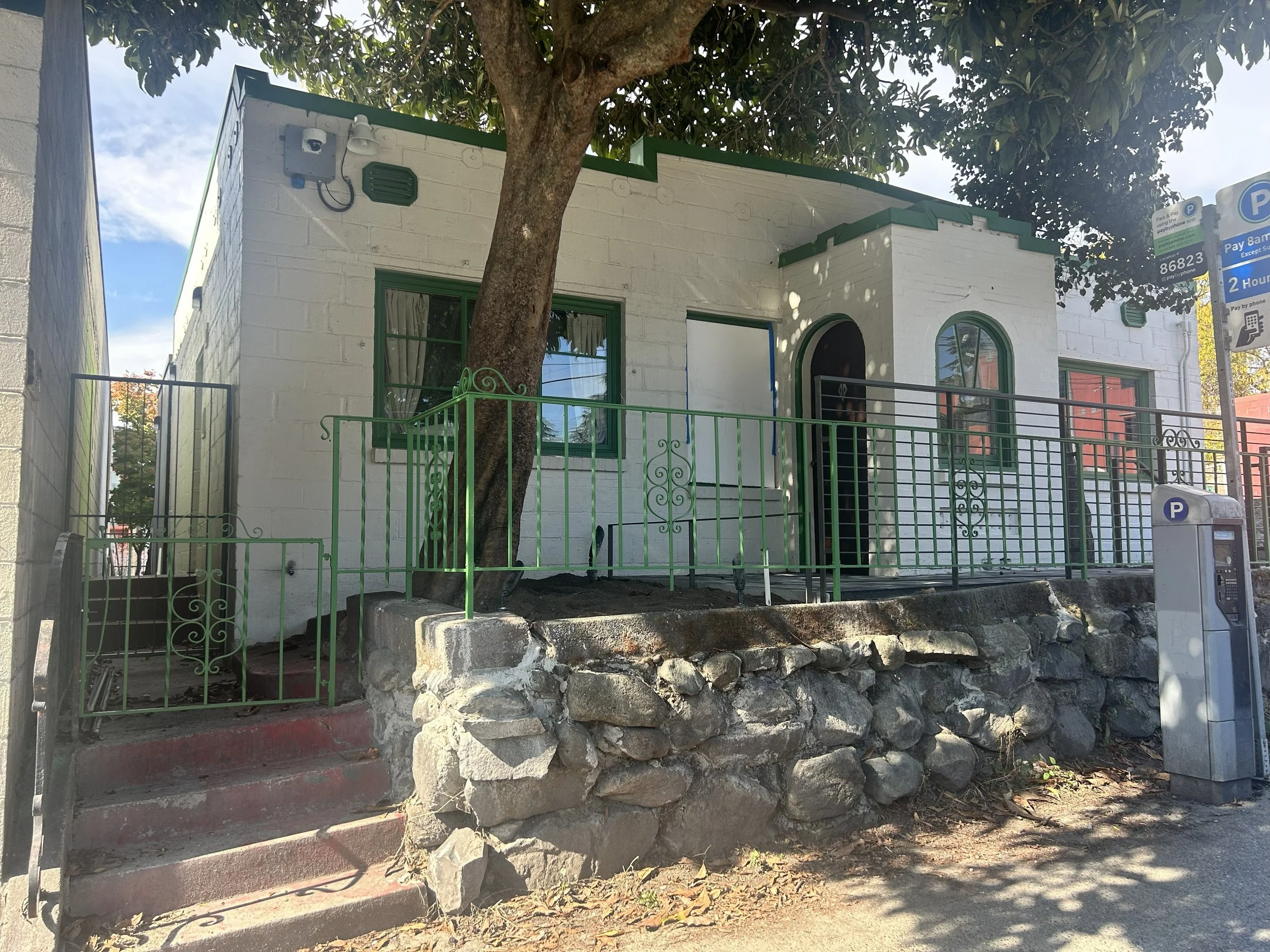
Eng House, Seattle, WA
INTRODUCTION
In a previous lesson on historic designation, we discussed the importance of historic integrity – or the ability for a property to show its historic significance. Physical preservation is the practical application of that: how do we maintain and work on a historic building or site so that it retains a high level of historic integrity? As you can imagine, the answer can (and should) be quite different across the millions of historic resources in the United States.
Sometimes associated with the term “brick-and-mortar,” this type of preservation work means you are physically working with the actual building or site, rather than stopping after documentation, historic designation, and interpretation – which are still important steps that can come before, during, and after physical preservation.
PRESERVATION GUIDELINES
Ever since historic preservation became a profession, there has been a lot of discussion about what is considered acceptable and not acceptable in physical preservation work. The most widely accepted guidelines for physical preservation in the United States are the Secretary of Interior Standards for the Treatment of Historic Properties, often shortened to “Secretary of Interior Standards” or “SOI standards.” You’ll often see it listed as a requirement for grant and financial incentive programs that involve brick-and-mortar preservation work, such as the federal historic tax credit.
NOTE: Related to this, a permitting agency or grant or tax credit program may require you to work with someone who meets Secretary of Interior’s professional qualification standards, which means they have a degree or at least two years of professional practice directly related to historic preservation. This qualification both upholds the profession as a specialized field but can also make preservation practice inaccessible to communities trying to document their histories and preserve the places that matter to them.
The Secretary of Interior Standards has defined four physical preservation treatments:
Preservation
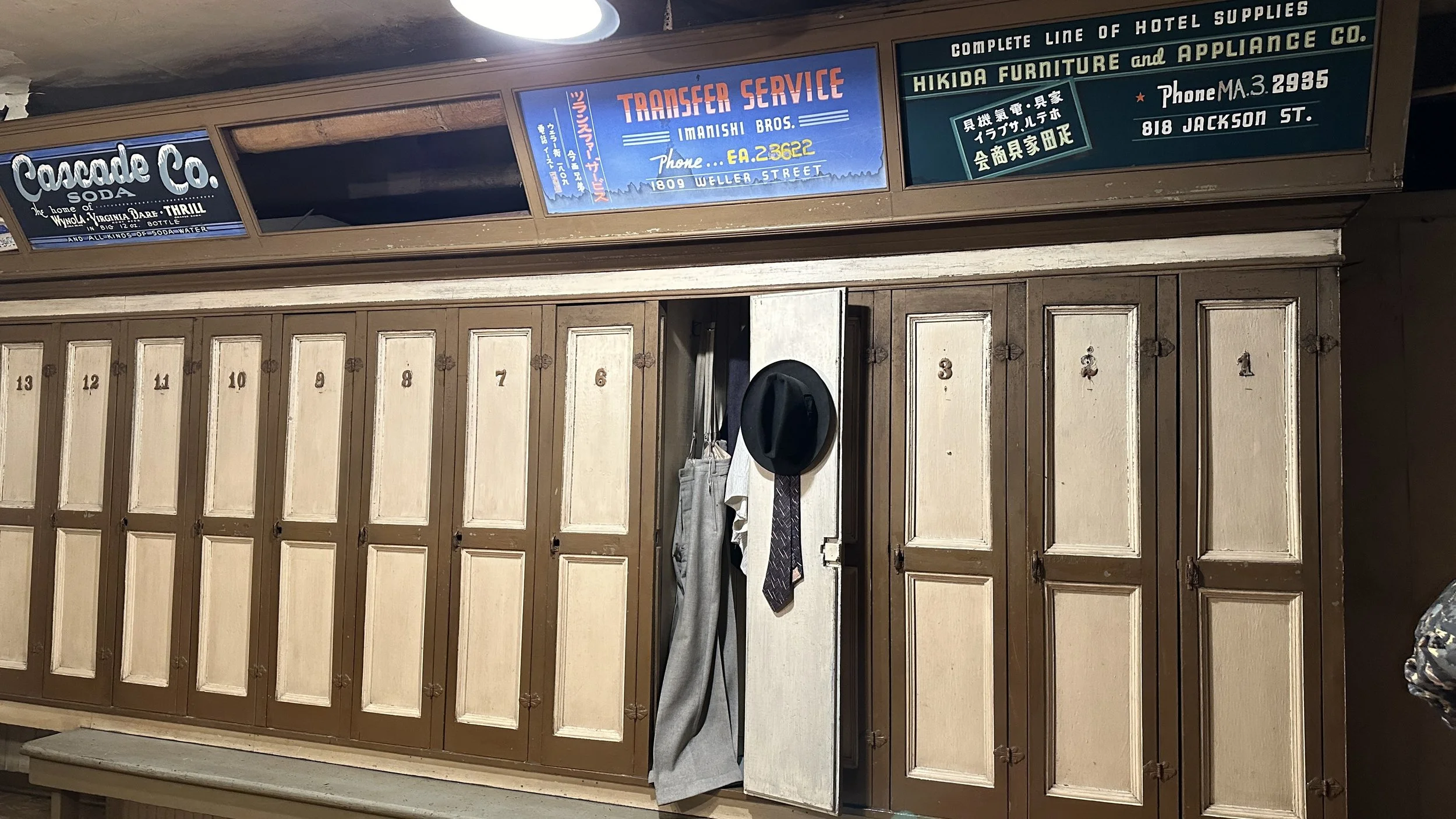
Panama Hotel, Seattle, WA
Rehabilitation
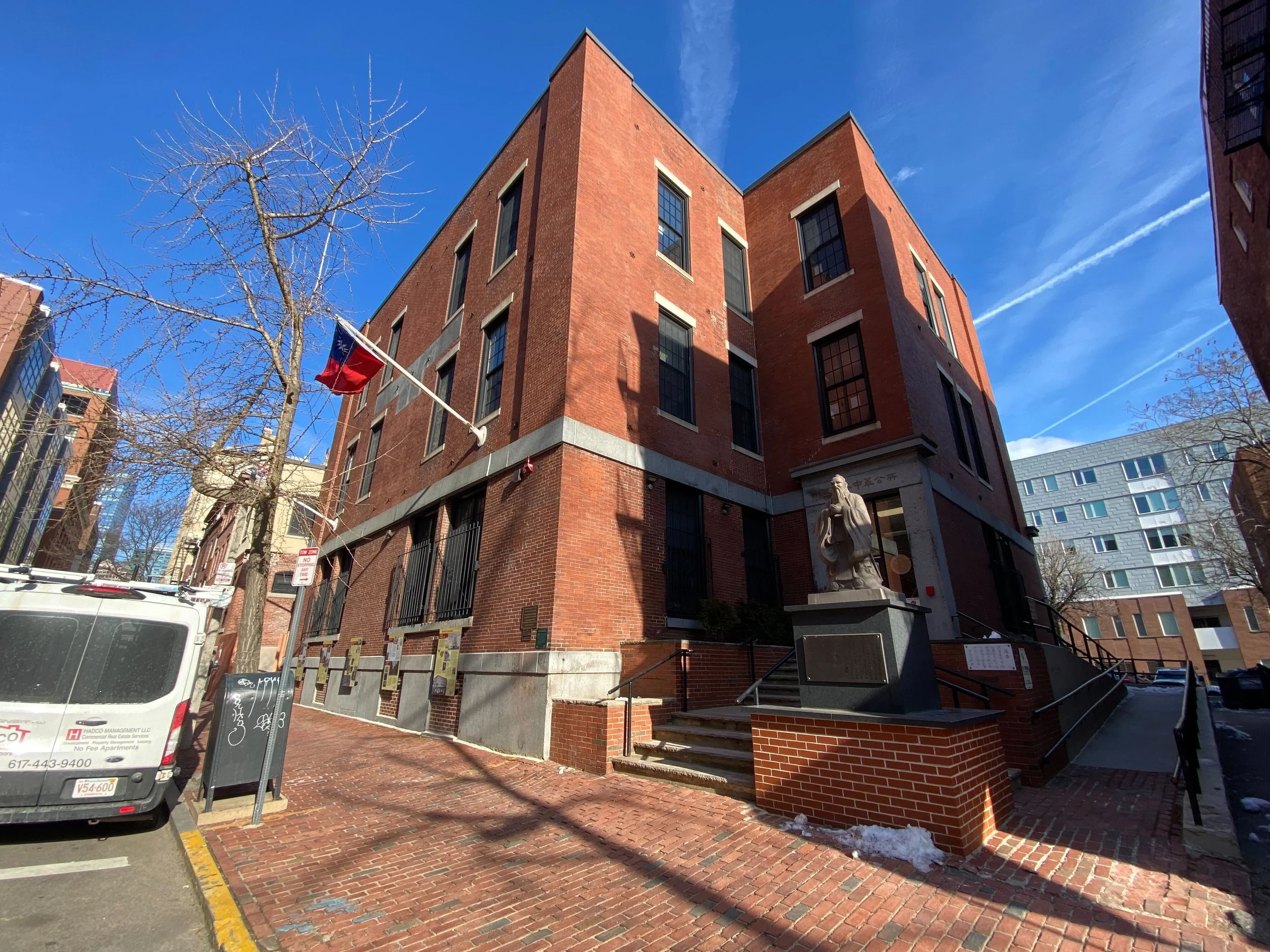
Quincy Grammar School, Boston, MA
Restoration
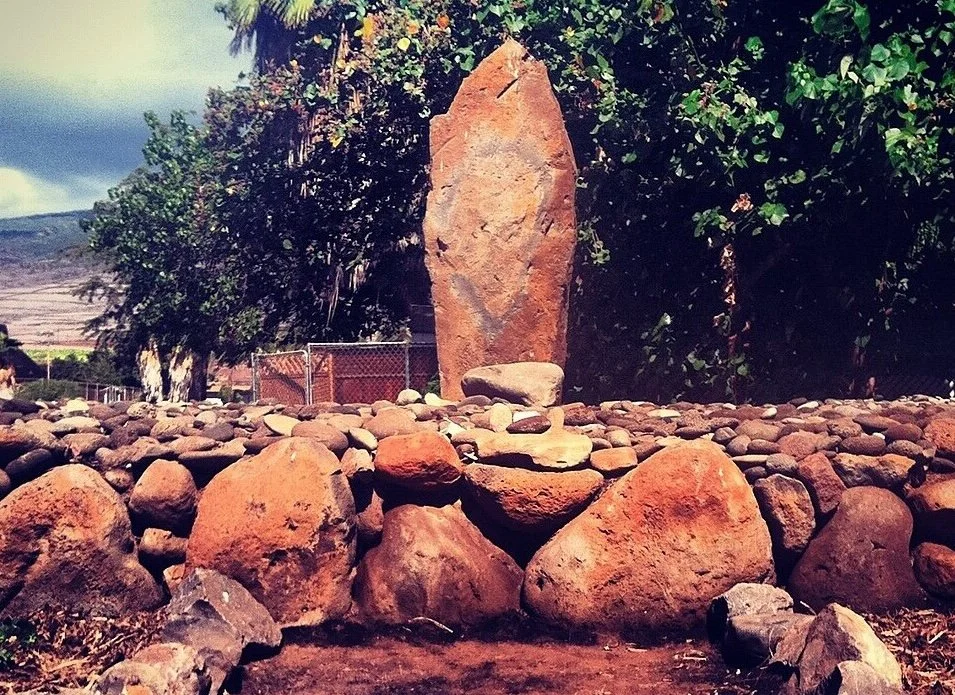
King Kamehameha III's Royal Residential Complex, Lahaina, Hawai’i
Reconstruction
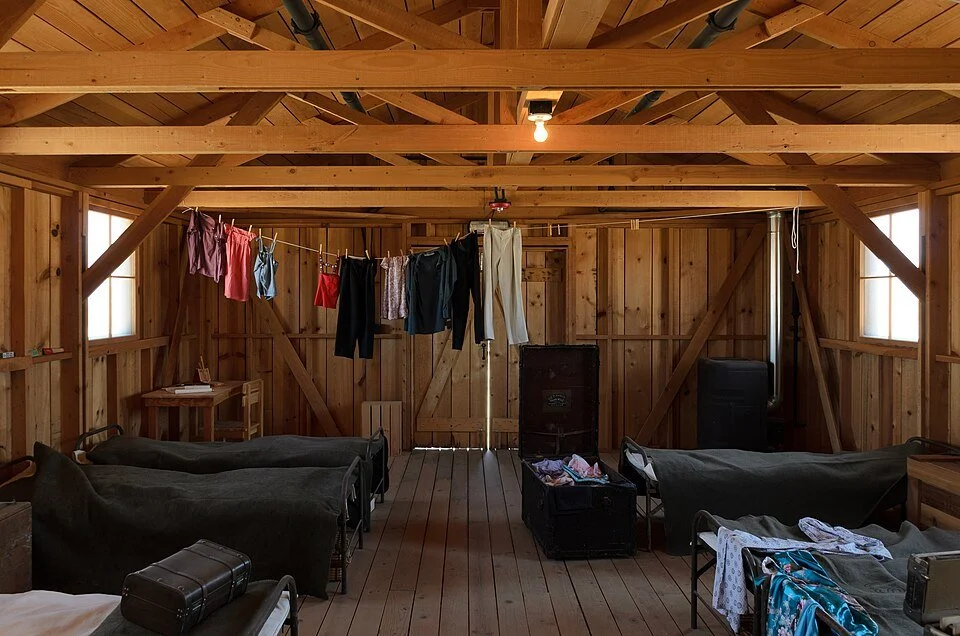
Manzanar Historic Site, Inyo County, CA
Most often, projects will not fall neatly into one approach or another but employ multiple. Regardless, these categories can be useful ways to start thinking about how to approach preservation work. Overall, all forms of physical preservation should follow some general guidelines:
Character-Defining Features: Existing character-defining features of the historic building or site should be preserved, and any other work should not diminish or destroy these features.
Repair, then Replace: Repair rather than replace, whenever possible. Factors in this decision could include a specific feature’s level of importance to the overall historic significance, the quality of the replacement, available funding, environmental considerations, and others.
New Construction: The scale, materials, massing, and overall design should be complementary to the existing historic buildings or features.
No False Historicism: New construction and other modern features should be differentiated from the historic building or site, as to not create a false sense of historicism. Similarly, restoration and reconstruction work should be based on concrete evidence and not on assumptions about the original features’ appearance.
Character-Defining Features: Physical preservation is not a “one size fits all” approach. Each historic resource will require a different treatment. The goal is to preserve what are called “character-defining features,” or physical attributes of a historic resource that are important to show its historic significance. You can also think of character-defining features as the building blocks that effectively tell a place’s story. While the term commonly applies to the architectural design of a building or site, it also applies to the overall shape, size, plan layout, landscape, and setting as well.
It’s important to be both critical and comprehensive in figuring what the character-defining features are and why they are “character-defining.” For example, original windows might be identified as a character-defining feature on a historic house significant for its association with a notable community figure. While professional wisdom would tell us to repair the windows, how much of the site’s historic significance would be lost if they were replaced with similar dimensions or materials? If more energy efficient windows could be installed, would that be acceptable? In this case, there could be more flexibility based on how the original windows relate to the house’s historic significance. In contrast, original windows would be a core character-defining feature in a building designed by a notable architect such as I.M. Pei. The building’s historic significance would be closely tied to its architectural design, and thus repairing the original windows rather than replacing would be a higher priority.
In doing physical preservation, these judgement calls can come up when time and resources are limited. While these types of considerations will vary on a case-by-case basis, it’s important to think about how they might apply to preserving your historic building or site.
PRESERVATION
Note that while the word “preservation” may also refer more generally to the historic preservation field, in this case, it means to maintain the current use, materials, and configuration or to prevent further loss and deterioration.
Preservation is the least invasive approach and involves largely keeping historic features in their current form. Work in this category tends to be smaller in scale and may often come in the form of regular maintenance. This is most appropriate for historic places that have previously not been well maintained, but do not need any significant alterations or reconstruction of historic features. It also a common application for historic ruins or remnants where stabilizing it in its current condition is favorable to restoration or reconstruction.
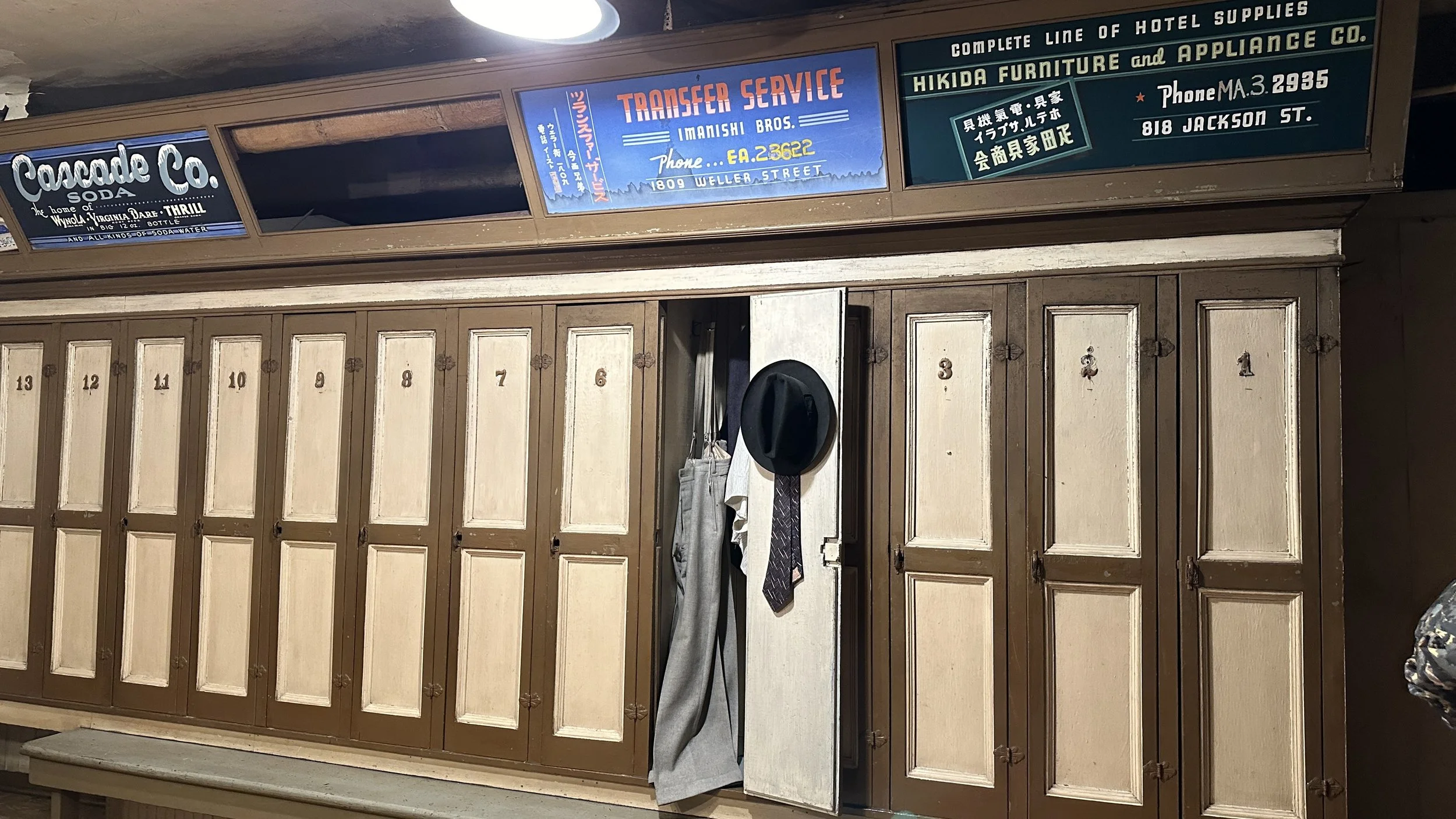
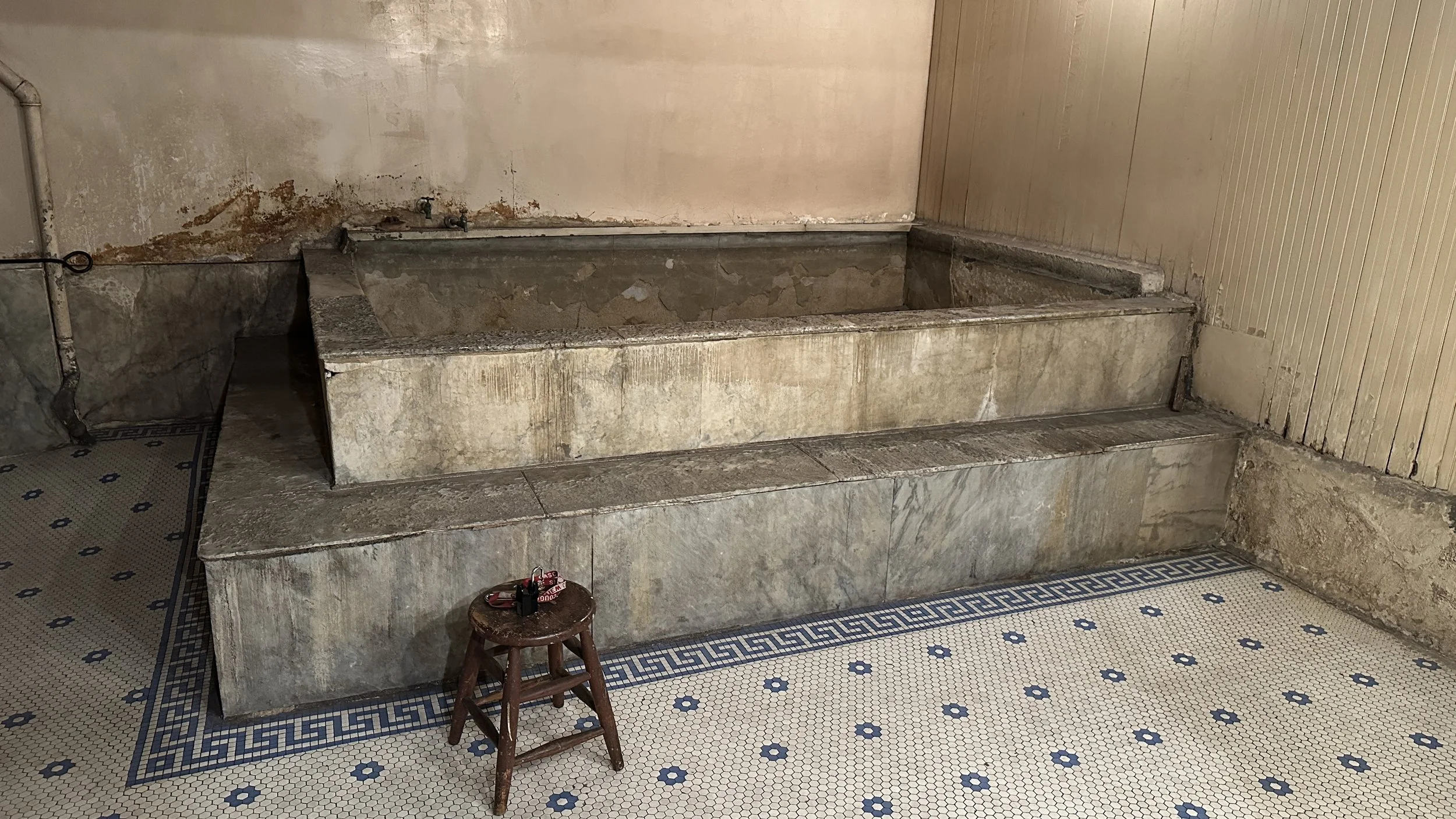
Case Study: Preservation of the Panama Hotel’s Hashidate-yu
Panama Hotel, Seattle, WA
One example of preservation is the Panama Hotel’s treatment of its Japanese style bathhouse, which is the most intact example of its kind in North America. While the historic 1910 single room occupancy building was rehabilitated to become a hotel, the bathhouse underneath – which closed in 1963 – was largely kept in its original configuration and no original materials have been replaced. The historic bathhouse has been opened for public tours and interprets the history of Japanese American social life during the early and mid-twentieth century.
REHABILITATION
Rehabilitation is a treatment in which a historic resource is adapted to meet the current needs of its users while retaining its historic character, also called “adaptive reuse.” For some, this is the most exciting historic preservation treatment because it can activate neglected or underutilized buildings and sites for present-day needs. Guidelines in rehabilitation do not completely prohibit new construction or materials, but instead seek to create a balance between historic integrity and its continued relevance to today. A good way to ensure character-defining features are kept would be to find a compatible use to its historic configuration, so that little alterations or new construction are needed.
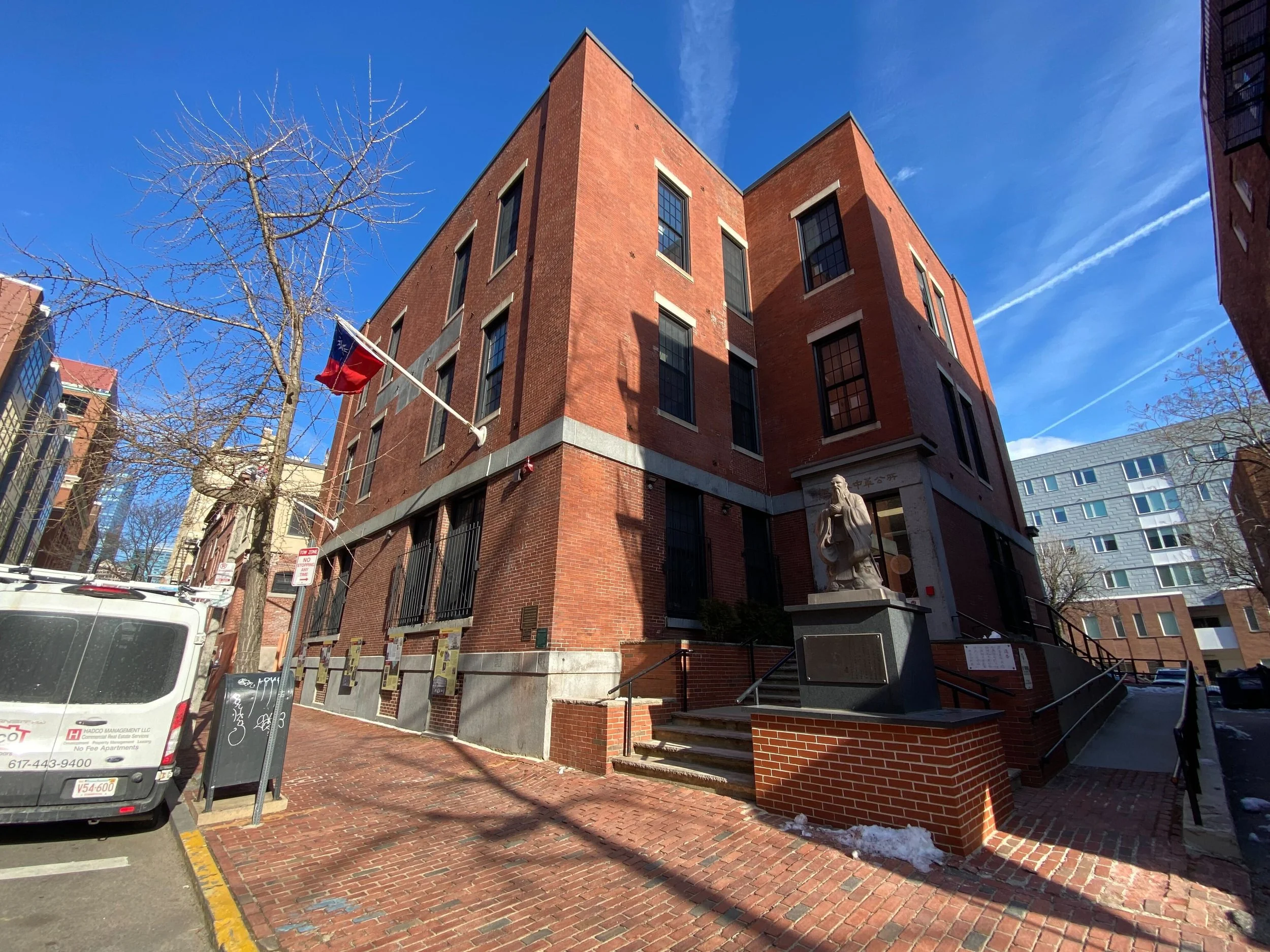
Quincy Grammar School
Boston, MA
The Quincy Grammar School was built in 1848 and later became an important institution for Chinese-American education in Boston. By the mid-twentieth century, roughly 90% of its students were Chinese American. The school closed in 1976.
In 1983, the Chinese Consolidated Benevolent Association (CCBA) acquired the building and transformed it into a cultural center.
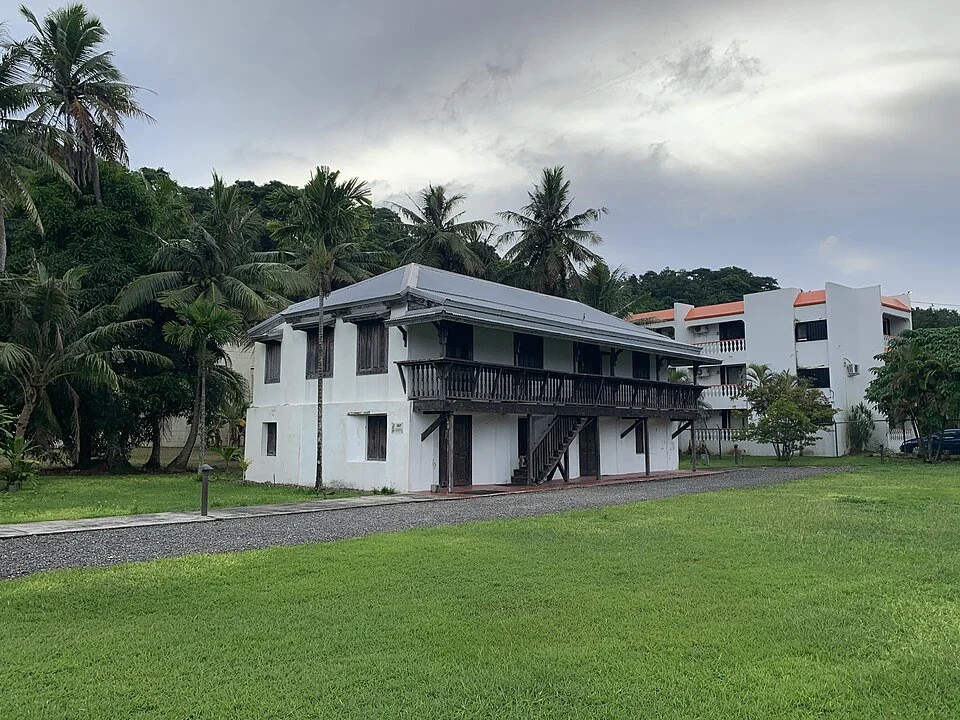
Lujan House / Guam Institute
Hagåtña, Guam
The Jose P. Lujan house, built in 1911, served as a private residence and space for the Guam Institute, one of the first private schools during Guam’s Naval Era. It has been regarded as an important landmark in Guam’s history, particularly as a link to Old Hagåtña.
In 2010, the Guam Preservation Trust completed a rehabilitation of the building that adapted its second floor into offices and ground floor for use by multiple cultural groups.
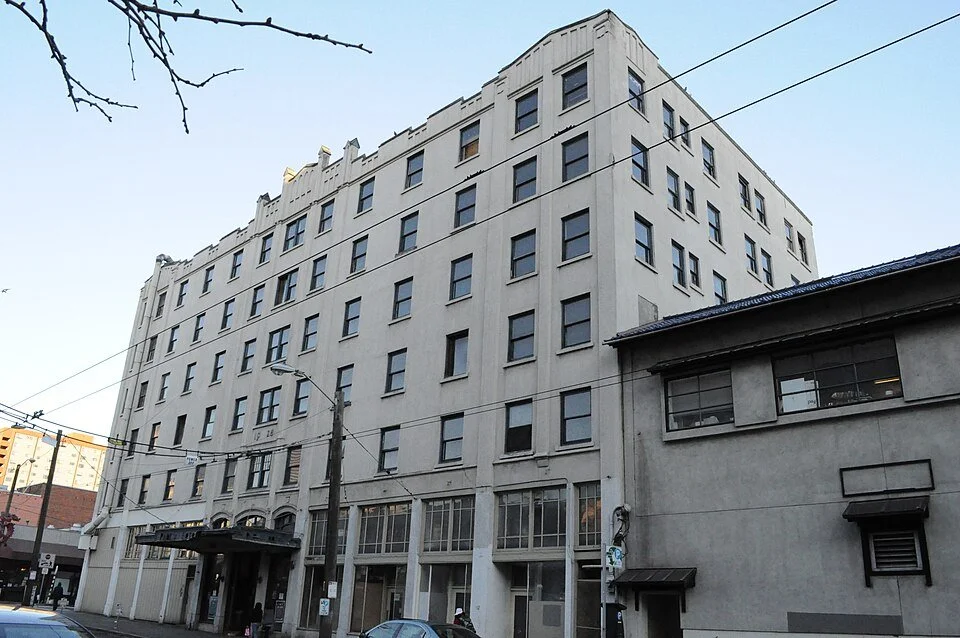
Publix Hotel
Seattle, WA
The Publix Hotel, which opened in 1927, was the last single room occupancy hotel built in Seattle’s Chinatown-International District and the third largest of the neighborhood. It operated until 2003, when it closed to address structural concerns.
In 2016, the hotel used the federal historic tax credit to adapt the historicbuilding into apartment buildings and ground floor retail.
RESTORATION & RECONSTRUCTION
Restoration: Restoration reverts the physical condition to a specific time period by removing materials from other periods and reconstructing missing historic features. This treatment is most often used for historic resources with a public education component, such as house museums or designed landscapes. You might see restoration as the solution to places that suffer from almost- or near-lost status from neglect, erasure, or natural disaster.
Restoration requires a relatively clear period of significance, which can be tough for historic sites that have multiple layers of history. In these cases, it can be tough to restore a historic building or site back to a specific moment in time without neglecting other important histories tied to that place. For example, completely restoring the 9th Street Italian Market in South Philadelphia to its time as an Italian-American commercial corridor during the late nineteenth century would diminish the presence and histories of later communities that had connections to the area — including Jewish, Black and African American, Vietnamese, Chinese, Southeast Asian and Latin American communities. While restoration can be a compelling storytelling or interpretive tool, it should also be used sparingly and carefully. When thinking of restoring a historic site back to a specific moment in time, one of the first questions should be: what are we leaving out by doing this?
Reconstruction: A related approach is reconstruction, which rebuilds what has substantially been demolished or no longer exists. Similarly to restoration, reconstruction is most often used for historic resources that have public-facing programming. In both restoration and reconstruction, it’s important to act based on detailed documentation of its historic appearance, and not guess – which can create a false sense of historicism.
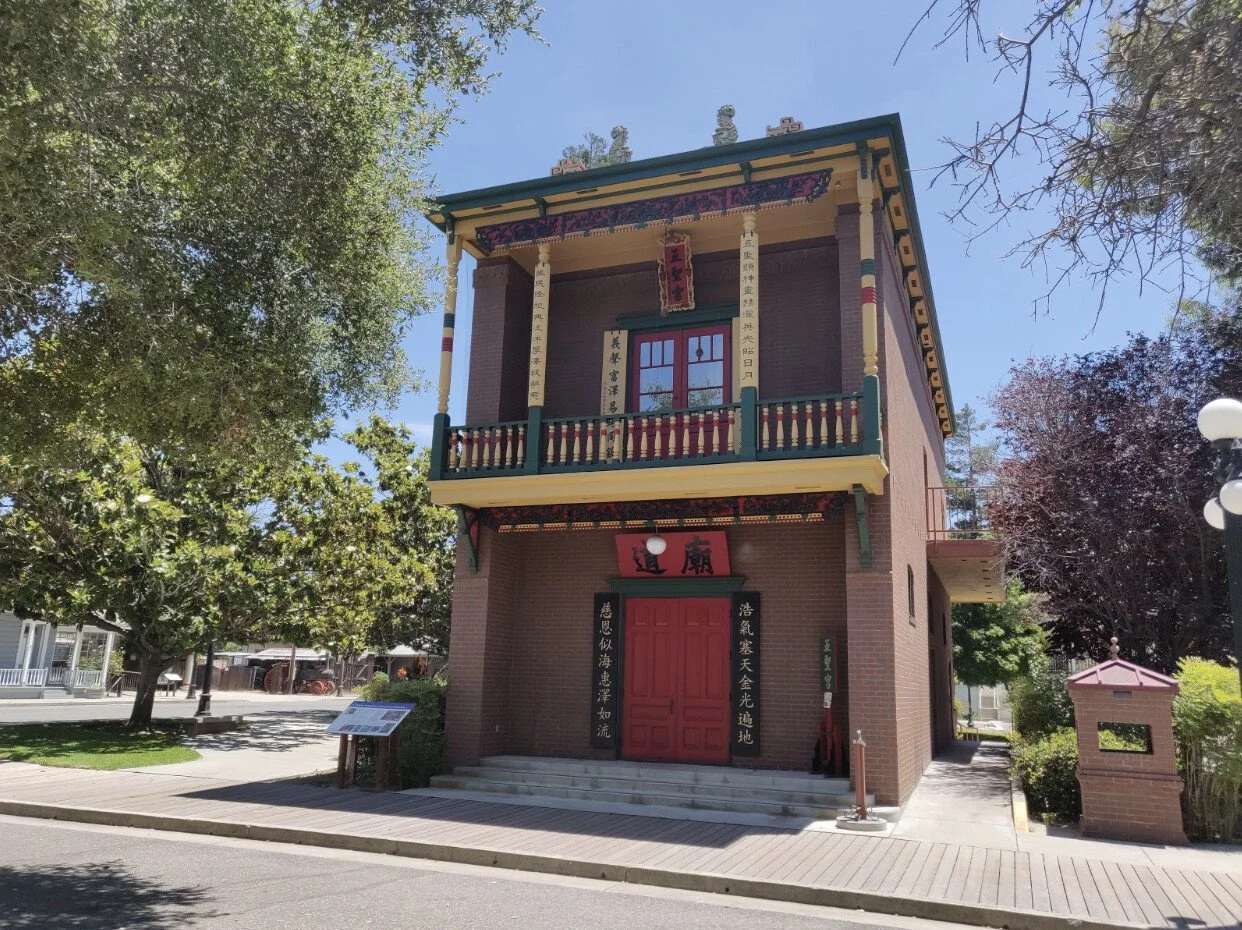
Chinese American Historical Museum
San Jose, CA
The Ng Shing Gung building was originally built in 1888 as a cultural center for San Jose’s Chinese American community. In 1931, the City of San Jose obtain ownership of the property and, despite protests from the community, deferred maintenance on the building and demolished it in 1949.
In 1991, the Chinese American Historical Museum reconstructed the building, capping a nearly twenty year effort to reconstruct the Ng Shing Gung building. It now serves as the museum’s main exhibition space.
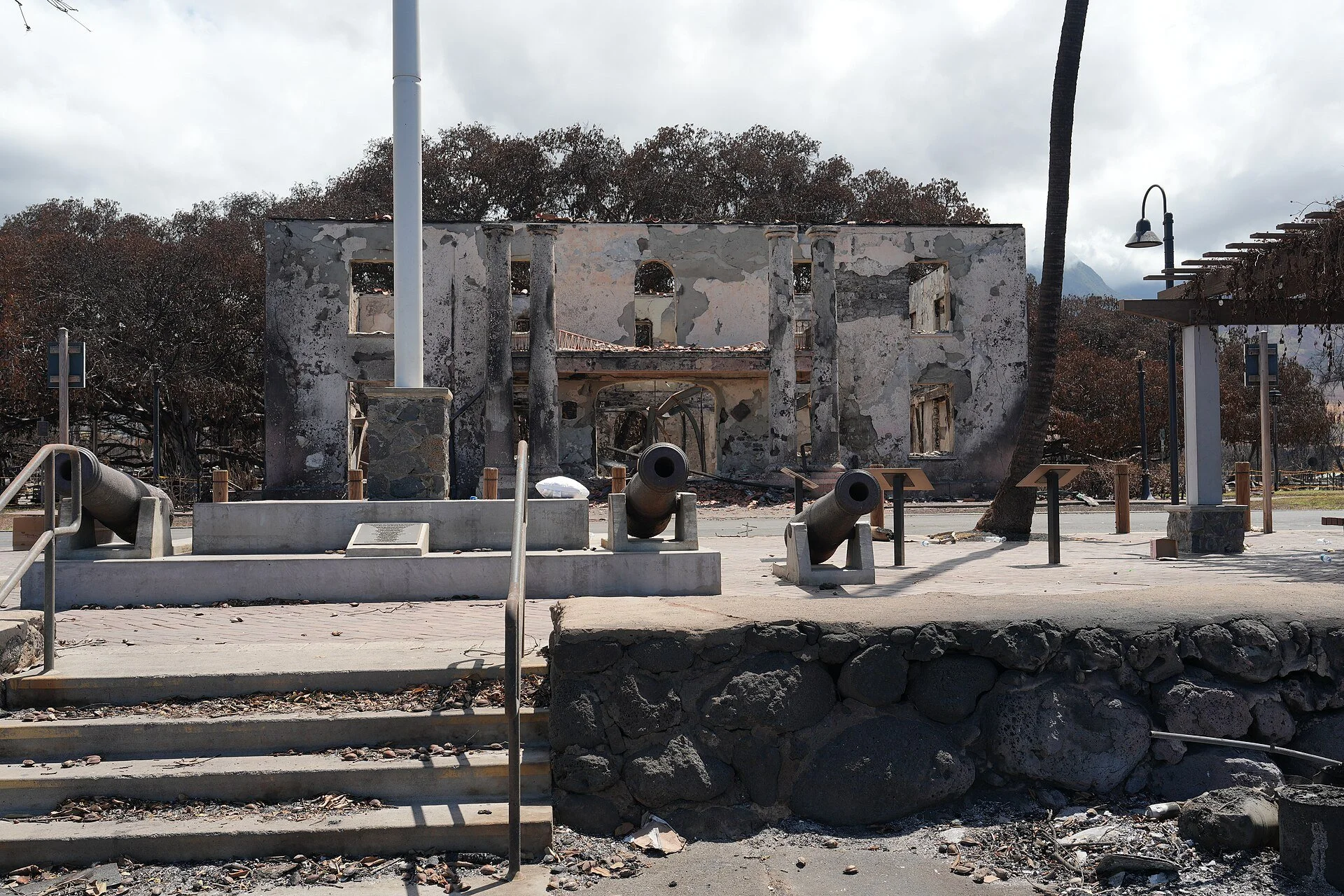
Lahaina Historic Sites
Lahaina Old Courthouse, Maui, HI
Among many other things, nearly all of Lahaina’s historic properties were lost in the 2023 fire. As the rebuilding effort continues across the region, Lahaina Restoration Foundation has created a master plan to restore and reconstruct eight of its historic sites.
The plan highlights the importance of prior documentation to carrying out such an effort, and how important stories can be retold after they’ve been demolished or lost in place.
Manzanar Historic Site
Inyo County, CA
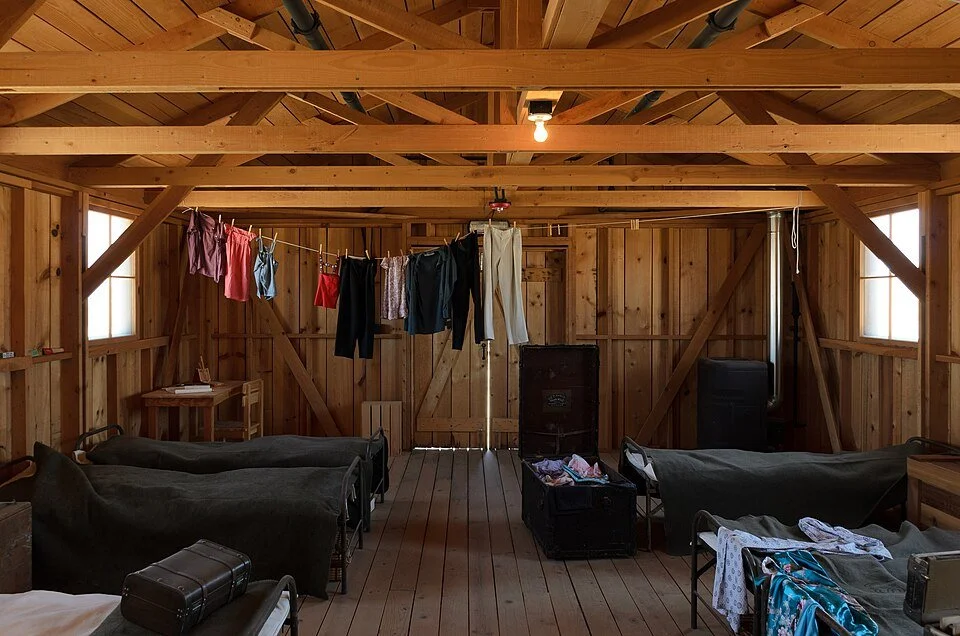
The Manzanar Historic Site includes the reconstruction of two barracks and one of eight original watch towers, which subsequently have been used for historic interpretation. Reconstruction has served as an important way to connect with the history of Manzanar, when most of its historic buildings had been demolished.
Other Japanese American incarceration sites also incorporate similar reconstructions, providing an important reminder of its history in place.
NEW CONSTRUCTION
Preservation, rehabilitation, restoration, and reconstruction cover the type of work that is typically funded by physical preservation grant and financial incentive programs. However, they do not cover all the work that may be required. Specifically, new construction at historic sites is an important consideration.
New Construction: Technically, the latest updates to the Secretary of Interior Standards have added guidance on new construction under the larger umbrella of rehabilitation. However, most preservation grant or tax credit programs will not fund new construction directly, and many view it outside the scope of preservation work. Nevertheless, it’s important to think of new construction as an extension of preservation. In many cases, new construction and additions are required to adaptively reuse buildings and sites while still preserving their character-defining features.
Commemoration: Another new construction or addition possibility is commemoration, such as memorials, murals, or interpretive signs. This can be particularly important for historic sites that have been demolished or erased, and give a voice to a place lacking any remaining character-defining features from its past. Examples include interpretive installations in Denver’s lost Chinatown and historic plaques marking early Filipino settlement in Morro Bay, CA and Saint Malo, LA.
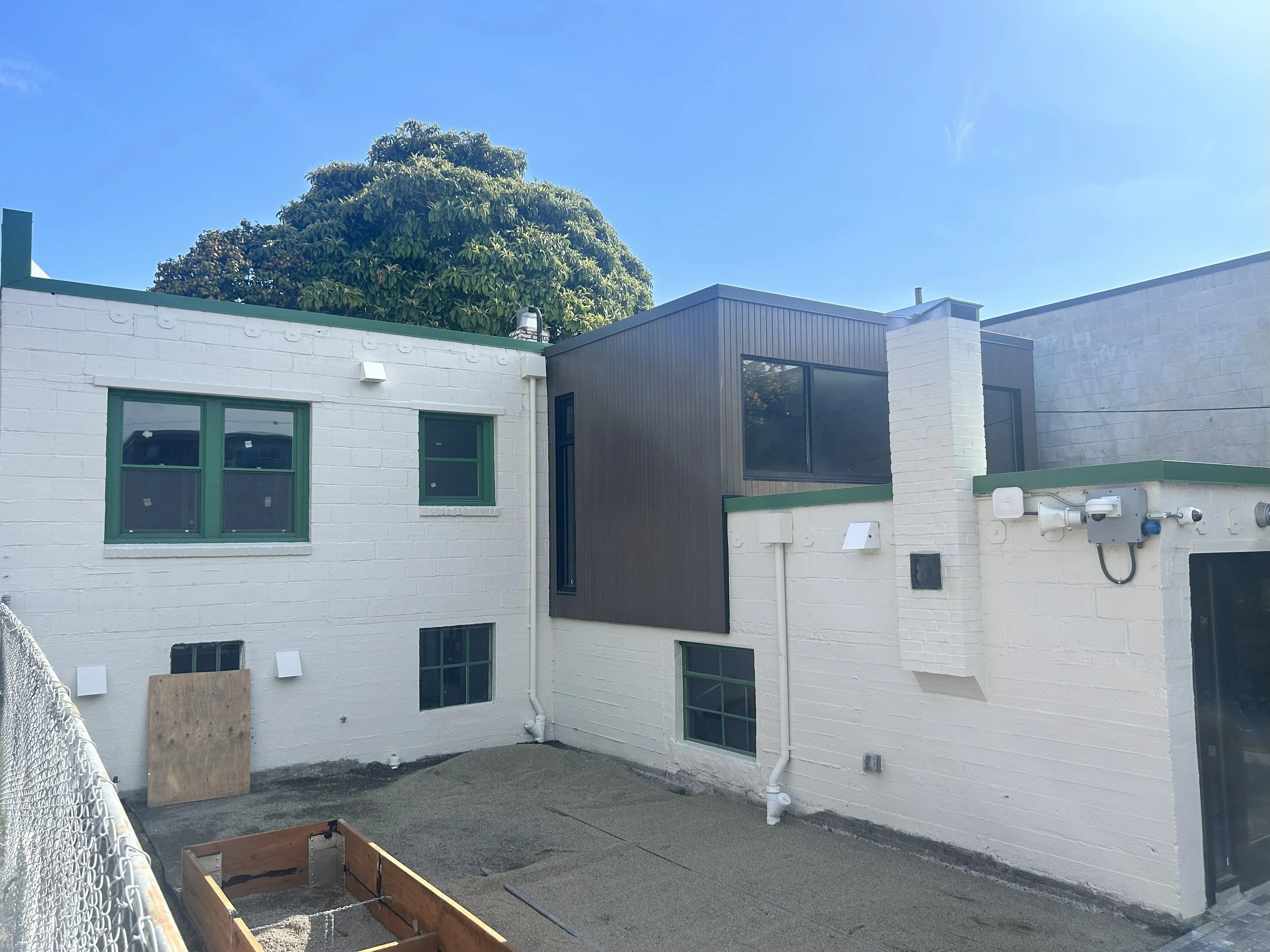
Eng House Rehabilitation
Seattle, WA
The Wing Luke Museum’s rehabilitation of the Eng House into a public education space required a rear addition that provided ADA accessibility and room for additional interpretive installation.
This new construction made the overall preservation and future use of the space for public education possible, going above the inherited limits of a single-family home. At the same time, the new construction did not substantially remove or diminish the Eng House’s character-defining features, allowing the site to still be largely experienced as a historic single-family home.
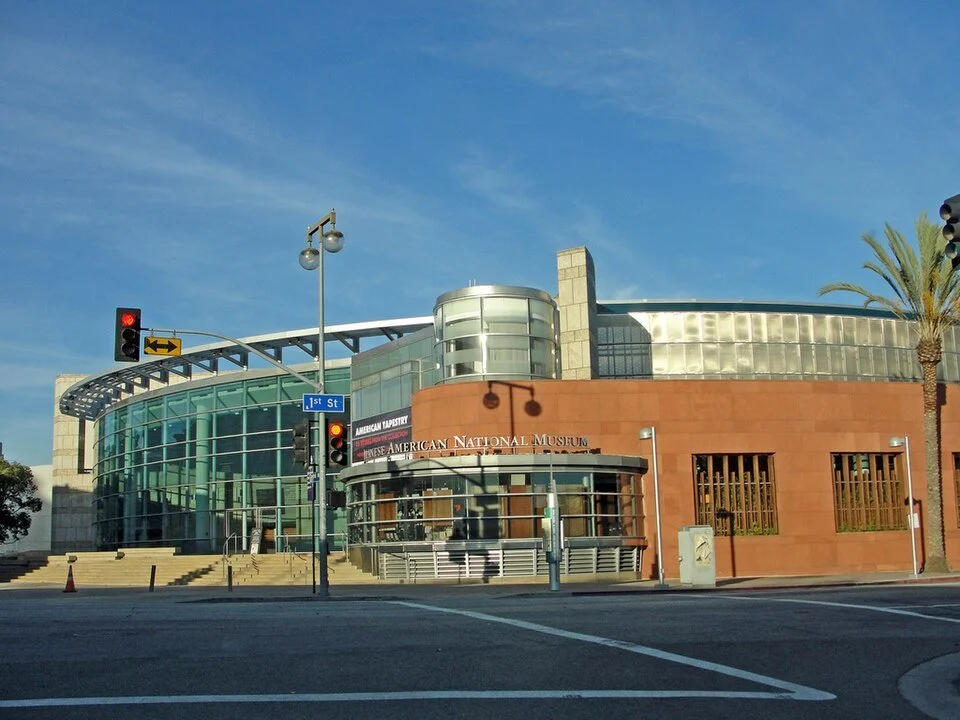
Japanese American National Museum
Los Angeles, CA
On a broader scale, new construction can provide much-needed infill of empty lots within historic districts. In this case, the scale and design of the new construction should be carefully reviewed so that it is compatible with the overall historic neighborhood.
For example, the Japanese American National Museum built new exhibition space in 1999, located in Los Angeles’s Little Tokyo National Historic Landmark district. While not subject to formal review, the design took into account its surroundings, and in part pays homage to the original location of JANM in former Buddhist temple across the street.
Arch of Healing and Reconciliation
Bellingham, WA
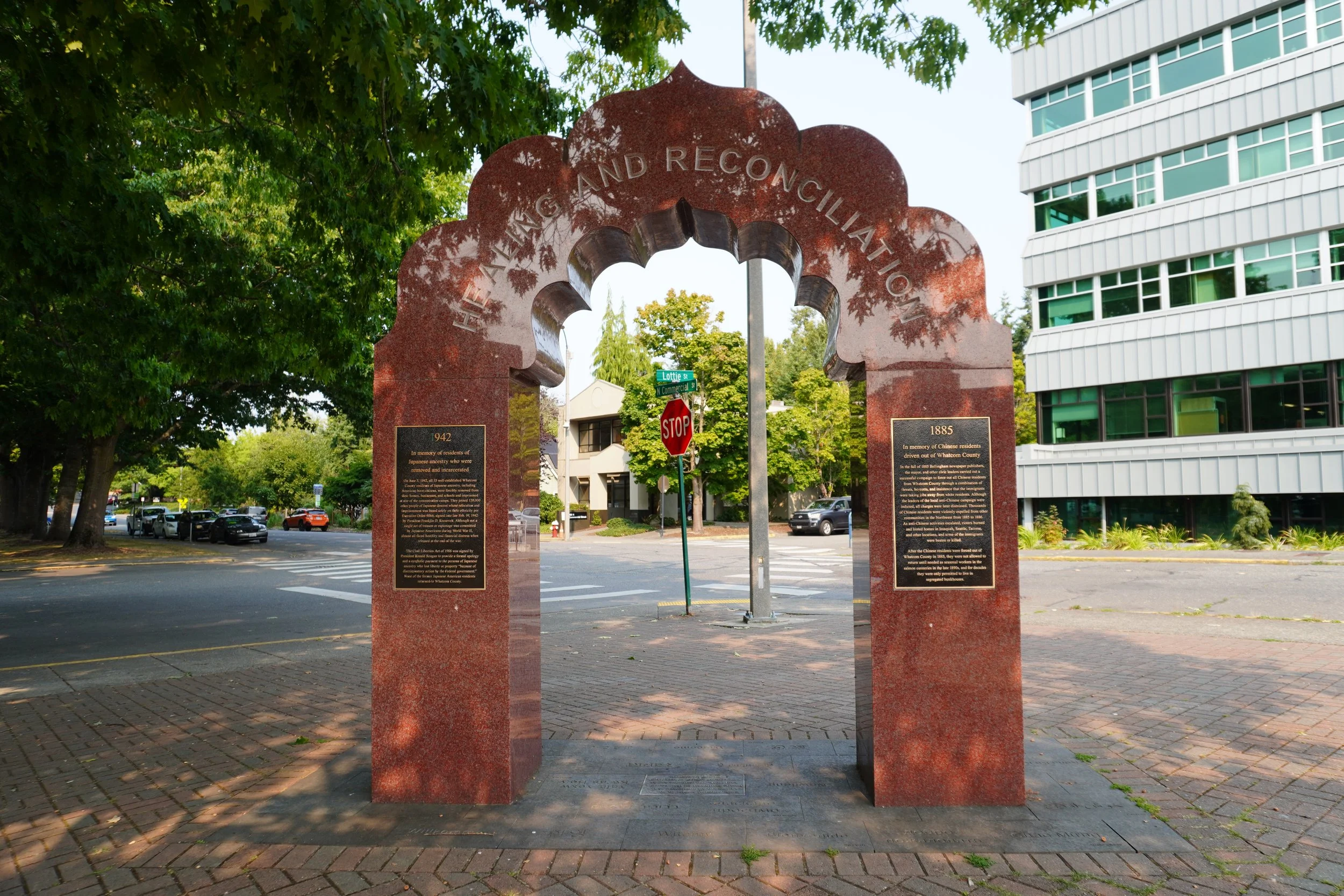
The Arch of Healing and Reconciliation in Bellingham, Washington, was dedicated in 2018 to commemorate three pivotal events in the city: Chinese American expulsion in 1885, Japanese American incarceration in 1942, and violence directed against Indian Americans in the 1907 Bellingham Riot, considered one of the largest discriminatory events against South Asian immigrants in the United States.
The monument, made of 10 tons of red granite from India, highlights these important histories in Bellingham where interpretation and memorialization are required to understand them in place.
Pursuing physical preservation is often the most expensive part of historic preservation. Outside of everyday maintenance, you will likely need to hire a professional, and the costs and timeline can vary widely depending on the scope of work. Though it can be daunting, it’s also important to know where to start, and how to break the process into bite-sized chunks.
PURSUING PHYSICAL PRESERVATION
Step 1: Vision & Planning
A good first step is to understand what type of work the historic resource requires. This can be as simple as a DIY inspection to form initial thoughts, to working with a preservation professional to identify aesthetic and structural priorities. This assessment should be conducted in relation to, and sometimes inform, the intended use or overarching purpose of the preservation project. These conclusions on physical preservation priorities and goals often come in the form of a feasibility study, historic structures report, or preservation plan.
Step 2: Costs & Funding
From there, you can begin to identify how much the work will cost. Getting estimates from trusted professionals in your area for the needed work will help narrow down the price range. Having this information on hand will help make you more competitive for grants and other funding programs, as reviewers will have a good sense of what you need to get done and how much it will cost.
Step 3: Execution & Sustainability
Lastly, it’s important to also plan for sustained maintenance after the project – what upkeep is required to prevent future issues, who will do that work, and where the funding will come from. While completing a major physical preservation project is a huge milestone, having a plan for long-term maintenance is just as important.
Guidelines
Financial Incentives for Physical Rehabilitation