

WHAT IS HISTORIC PRESERVATION?
LESSON 1
GOAL: This lesson will provide a basic overview of historic preservation — from figuring out if a building or site is historic to outlining the basic approaches to preservation practice.
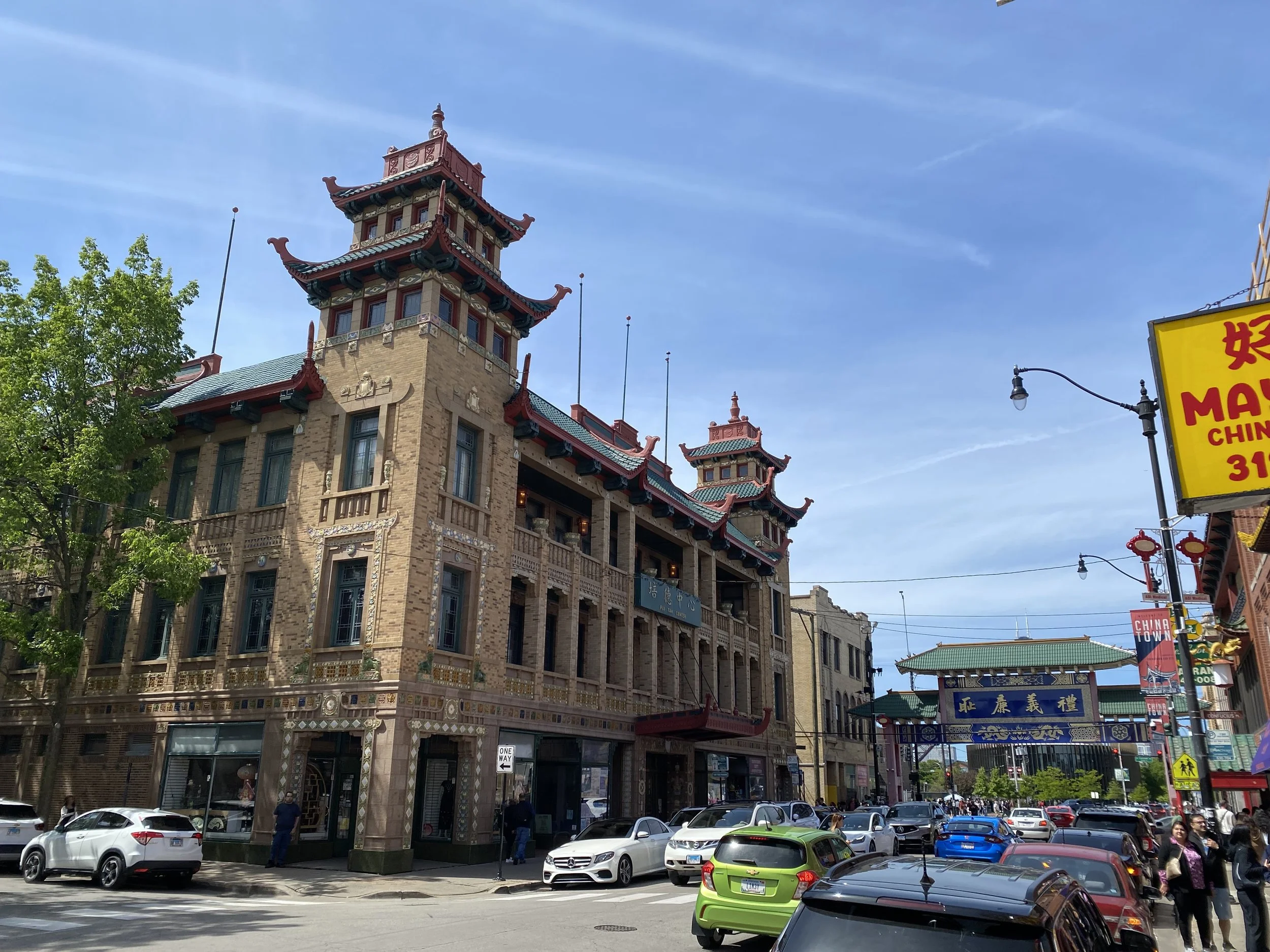
S Wentworth Ave, Chinatown, Chicago, IL
INTRODUCTION
As long as Asian Pacific Islander American communities have existed, we’ve been practicing historic preservation. From protecting our ethnic enclaves from institutionalized discrimination and displacement to stewarding culturally significant sites for millennia in the Pacific Islands, our communities’ resilience has been tied to our sense and preservation of place.
In the United States, historic preservation was formalized as a professional practice in 1966 with the National Historic Preservation Act. As the profession has grown, APIA built heritage has become better represented – but a clear gap remains. This gap exists not from a lack of APIA historic sites or concerned individuals, but in part from a deficit in professional preservation practice to sufficiently recognize and support these places.
This educational program hopes to bridge that gap and equip everyone with a foundational understanding of how to effectively preserve places important to APIA heritage. Whether you’re looking to save a historic building in your neighborhood and don’t know where to start or are a seasoned community organizer, we hope that this series will provide the knowledge and resources to tackle any preservation project at hand.
WHAT IS HISTORIC?
Before getting into the different ways to “do” historic preservation, what makes a site historic in the first place? There are three boxes that usually need to be checked to consider a site “historic”:
AGE
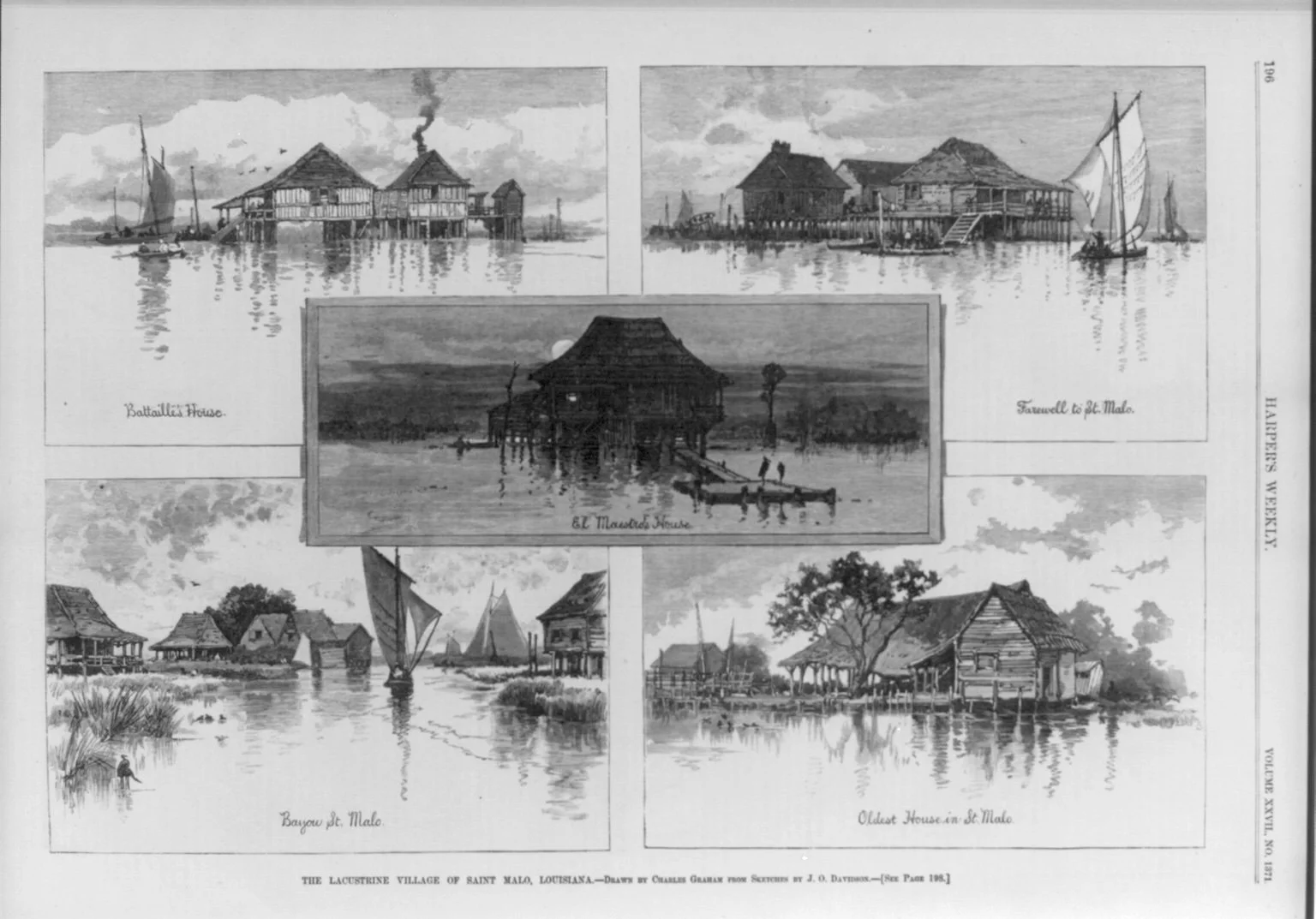
Saint Malo, St. Bernard Parish, LA
A guideline put in place by the National Register of Historic Places typically requires it to be fifty years or older. However, there are exceptions and some local preservation commissions have systematically considered sites as recent as twenty-five years old.
HISTORIC SIGNIFICANCE
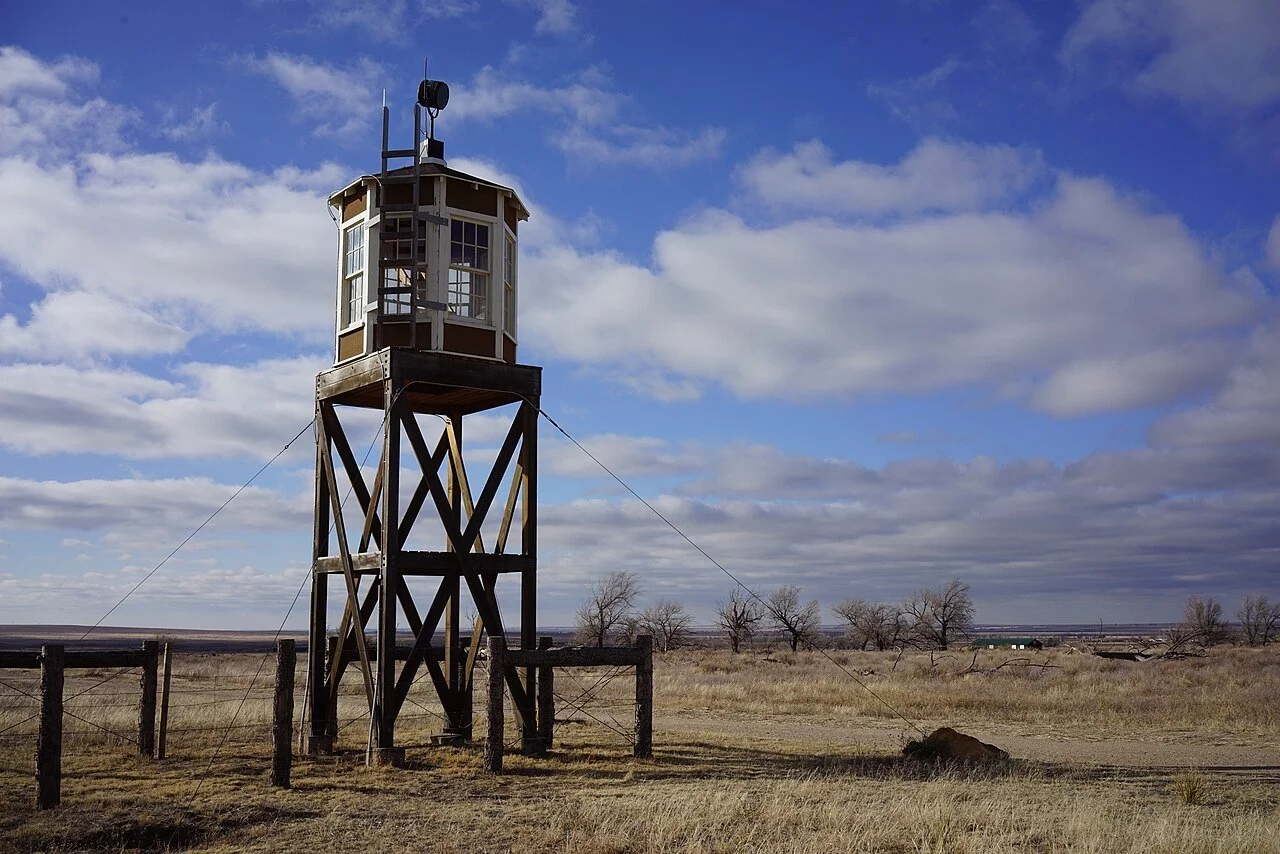
Camp Apache, CO
On top of age, the site should be historically significant in some way (for more on historic significance, see the Documentation section). This part, while subjective, must be argued with substantive evidence..
HISTORIC INTEGRITY
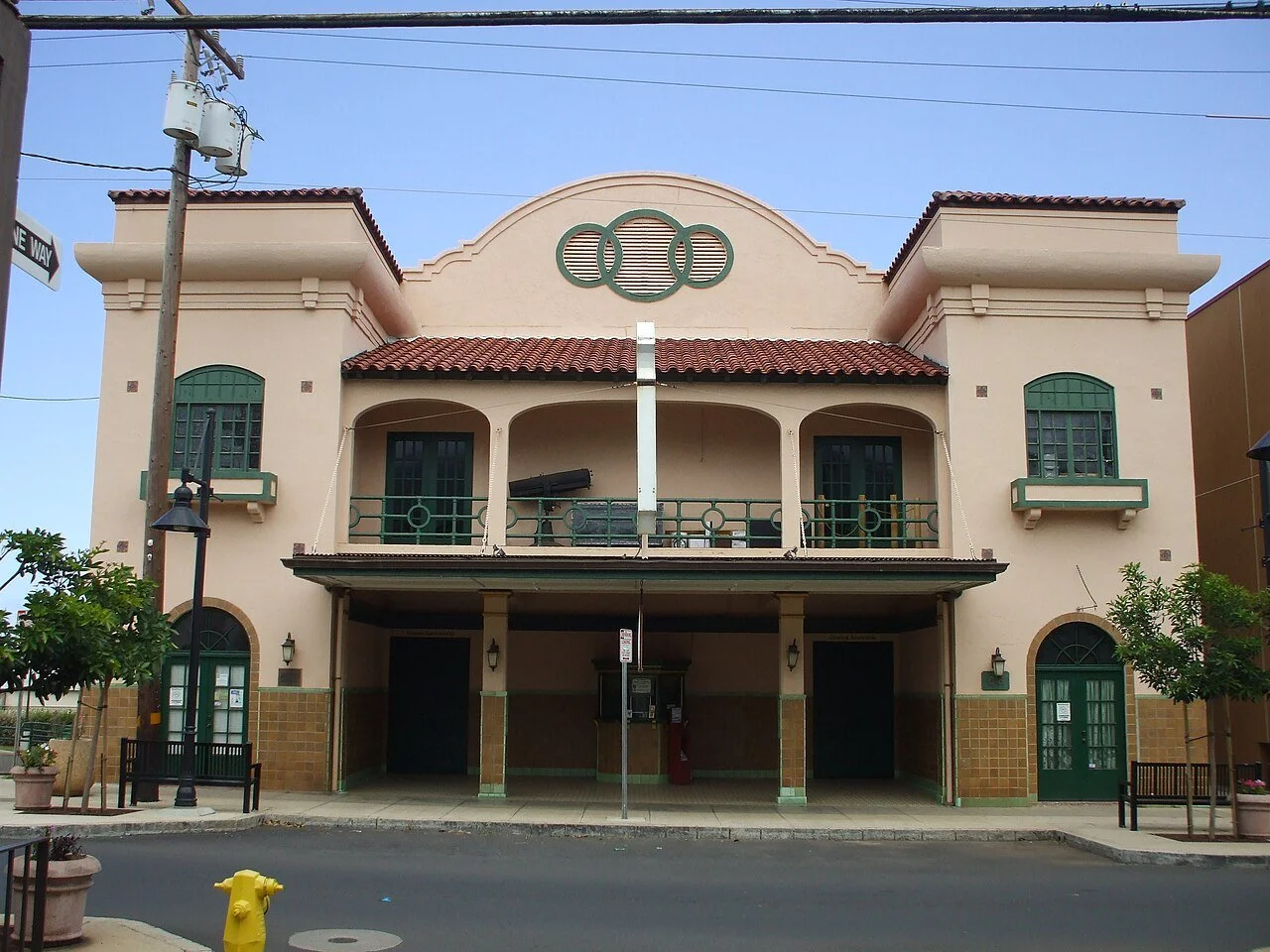
Iao Theater, Wailuku, HI
The most “professionalized” term of the three, historic integrity describes a site’s ability to convey its historic significance. A site must have a high level of historic integrity to be considered “historic.”
Given these variables, the short – and sometimes frustrating – answer is “it depends.” While historic sites usually tick all three boxes, some exceptions might only have one or two. For a more in-depth guide on evaluating if your site is historic, please see Lesson 2: Historic Designation.
DOCUMENTATION
If you think that a site could be historic, the next question is: how? This is where documentation comes in; before you do anything else, you need to understand what makes a site historic. Documentation accomplishes this through archival research, photography, site plans and drawings, and other methods. The goal is to document a place-based history. While related to more general historic research, this type of documentation is centered on a specific place.
At a basic level, this includes documenting information such as construction and alteration dates, the designer or builder, and a complete architectural description –describing its original construction, changes over time, and current condition. This information provides the foundation for understanding the built history of the site.
The next step is to consider historic significance. In other words: why is this historic site important? Most often, this falls under four types of significance:
Event: Related to a historic event or pattern
Person: Related to a significant historic person or group of people
Design/Construction: Representative of a type, period, or method of construction OR showing distinguished architectural or engineering design
Information Potential: Having yielded or likely to yield information important to history – most often associated with archaeological work
Sites may often have historic significance that applies to more than one category. During the documentation process, it’s important to research each site fully and understand all the layers of significance.
HISTORIC DESIGNATION
One outcome of documentation could be historic designation. This officially recognizes the site as a historic place through a legal framework at a local, state, or national level. Depending on the type of designation, this can also include eligibility for grant programs, financial incentives, and site protection.
Historic designation is an important tool for public education and recognition of historic sites, particularly those related to the APIA community. As of 2025, less than 1% of the 100,000 sites listed on the National Register of Historic Places are related to Asian and Pacific Islander American history – despite our communities making up roughly 8% of the U.S. population. By designating an APIA historic site, we challenge the relative invisibility of the APIA community in our nation’s history and built environment.
Case Study: Hung Sa Dahn, Los Angeles, CA
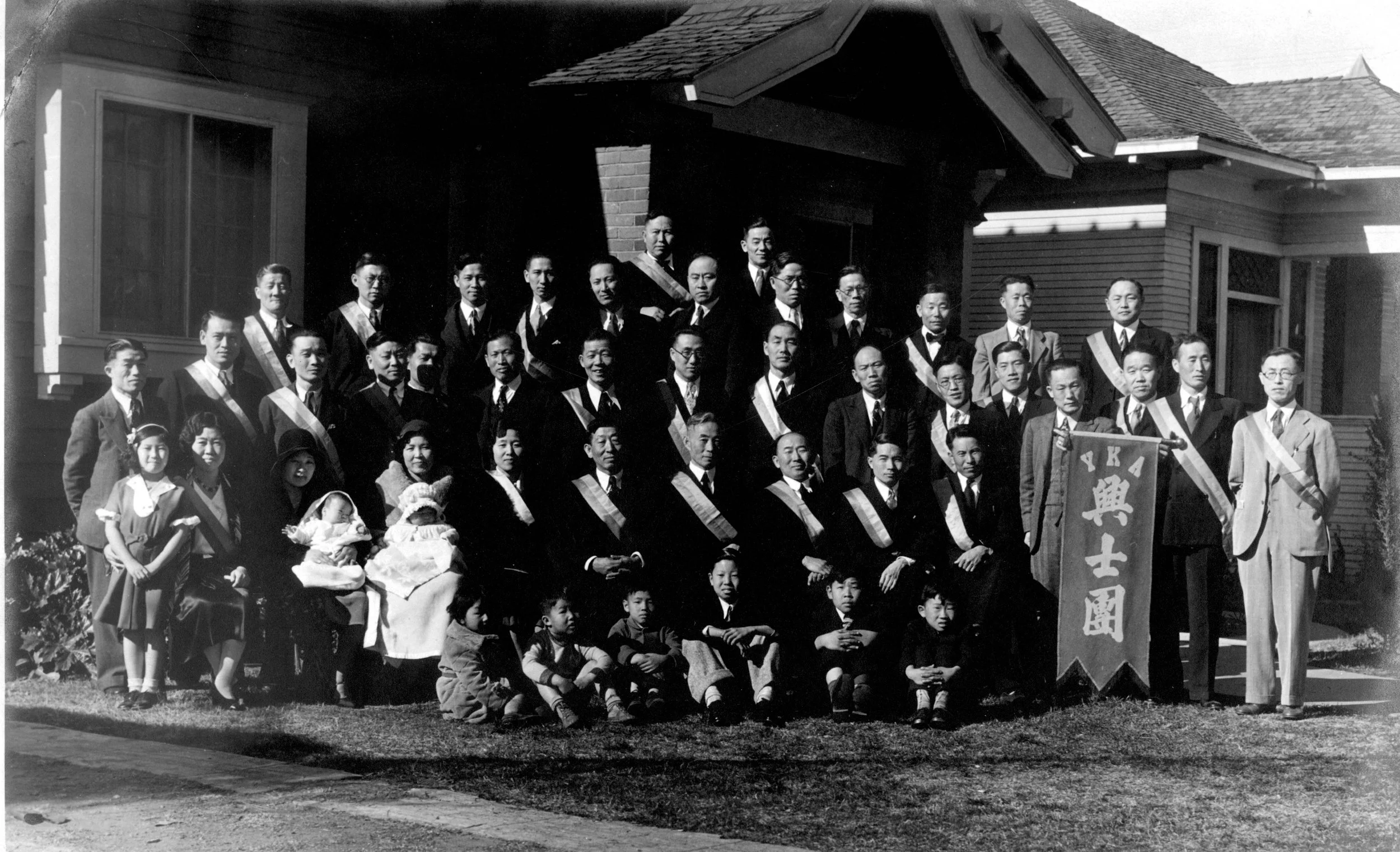
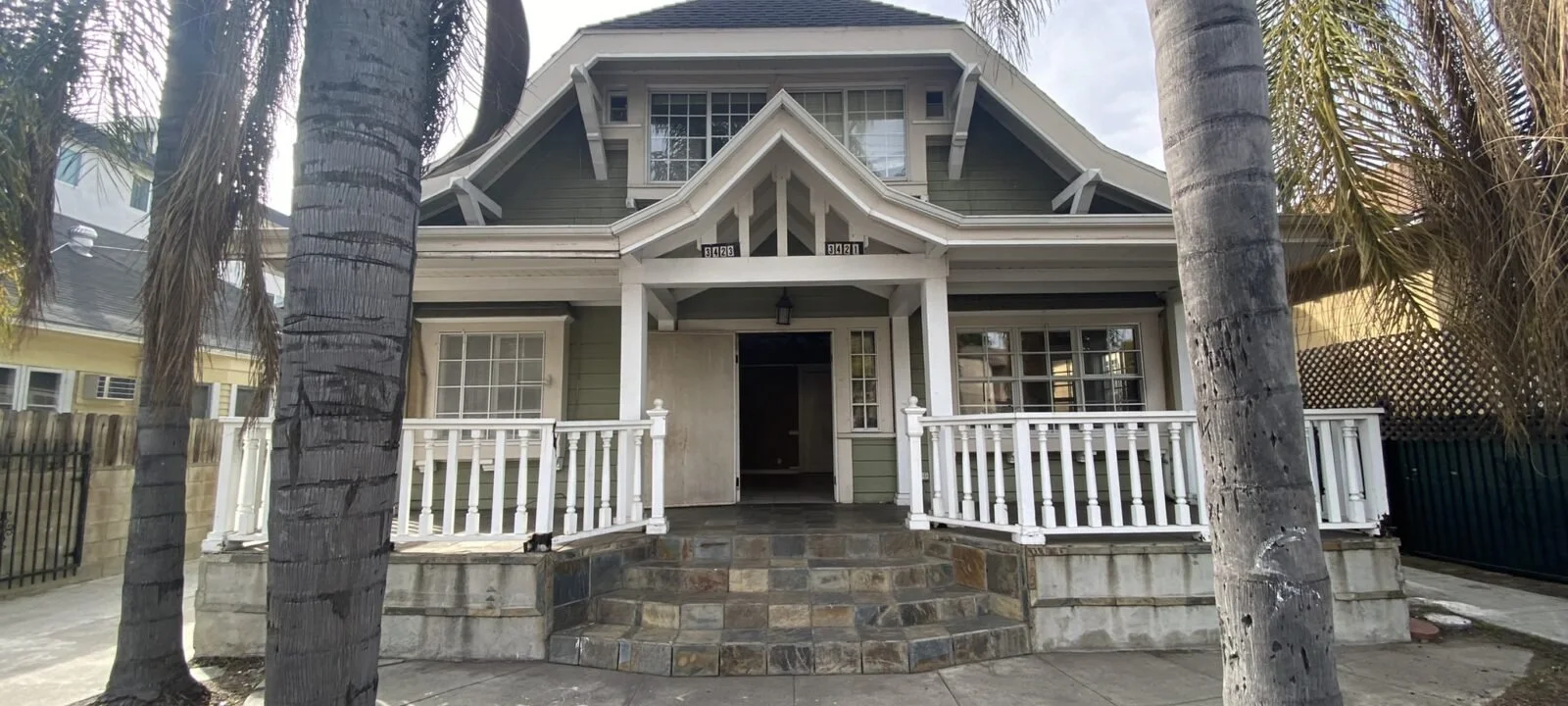
In 2021, APIAHiP, the Los Angeles Conservancy, and other community members successfully designated Hung Sa Dahn on the local register as a Historic-Cultural Monument (HCM). The historic Craftsman-style residence in Los Angeles’s Echo Park neighborhood was built in 1910 and served as the headquarters for the Young Korean Academy between 1936-1978. The designation emphasized Hung Sa Dahn’s significance in Korean American immigration and settlement within Los Angeles as well as its association with Dosan Ahn Chang Ho, a prominent figure in the Korean American history.
This designation placed local protections on the property which required any demolition and alteration requests to be reviewed by Los Angeles’s Cultural Heritage Commission. These protections helped save the property from potential demolition and led to the Government of the Republic of Korea purchasing the property in 2023. In December of 2025, a groundbreaking ceremony celebrated the start of rehabilitation work to turn the site into an educational center on Hung Sa Dahn’s legacy.
PHYSICAL PRESERVATION
Another historic preservation outcome is physical preservation: conserving, rehabilitating, restoring, or reconstructing parts of the historic site in a way that (1) honors its historic significance and (2) makes it relevant to current needs. This process tends to involve a preservation professional, such as a preservation architect or structural engineer, to identify specific priorities and solutions. The actions can range from simple upkeep, such as repainting walls, to more concerted efforts, such as restoring a vacant building to its original appearance. Physical preservation can be categorized into four applications:
Preservation: This is the least invasive approach and involves maintaining historic features in their current condition. Work in this category is often smaller in scale and comes with regular maintenance of a historic site.
Rehabilitation: This is the most common approach to preservation, in which a historic site is adapted to meet the current needs of its users while retaining its historic character. Guidelines in rehabilitation do not completely prohibit new construction or materials, but instead seek to create a balance between a site’s historic integrity and its continued relevance to today.
Restoration: This approach reverts the physical condition of a historic site to its “original” state. Restoration is most often used for historic sites with a public education component, such as house museums or designed landscapes.
Reconstruction: This approach rebuilds a historic building or site that has substantially been demolished or no longer exists. Similarly to restoration, reconstruction is most often used for historic sites that are primarily used for public education. In both restoration and reconstruction, detailed documentation of its historic appearance is required.
Case Study: Eng Family Homestead, Seattle, WA
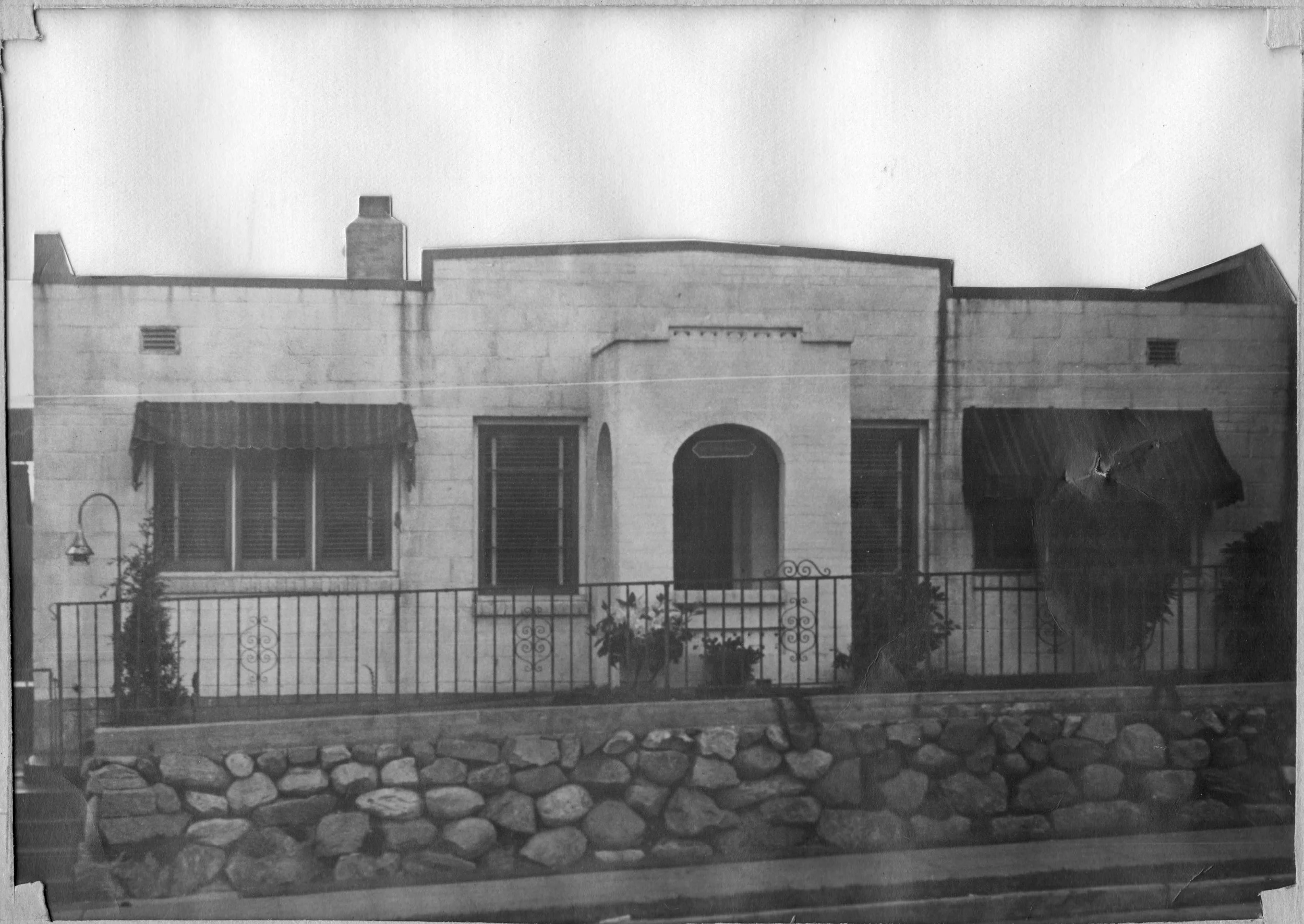
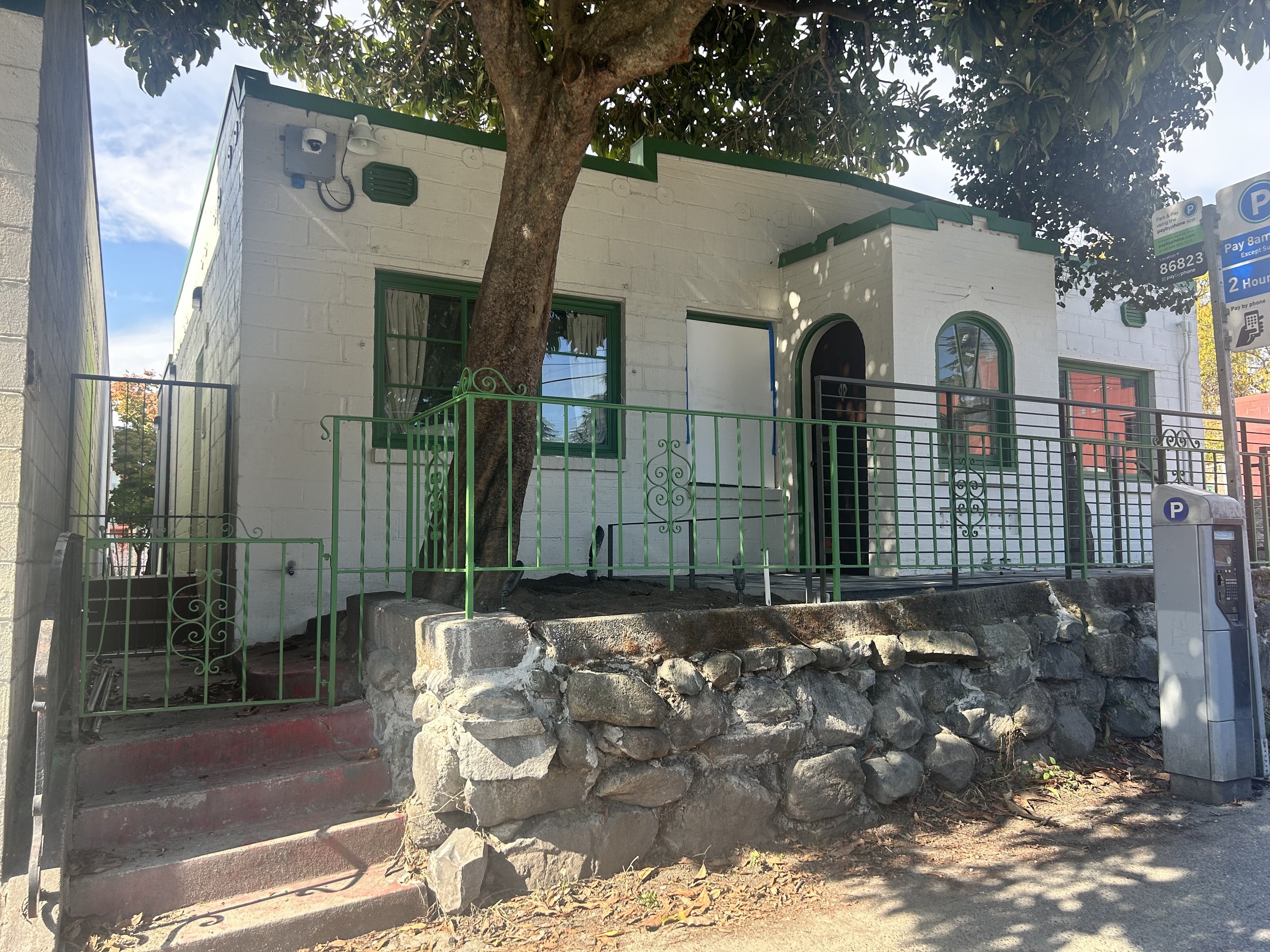
An excellent example of physical preservation is the Wing Luke Museum’s rehabilitation of the Eng Family Homestead in Seattle, WA. As the last remaining single-family home in the Chinatown-International District, the property holds historic significance to Chinese American residential life and resilience during the Chinese Exclusion Era. The 2025 rehabilitation of the historic site included restoring much of the house to its original appearance but also adapting it so that it may be used for public interpretation. This included restoring the exterior façade to its 1940s appearance, while rehabilitating the interior with original materials while also making room for interpretive displays.
ADVOCACY
Even when plans for documentation, designation, and/or physical preservation are clearly outlined, beginning a preservation project could still prove difficult. Factors such as funding, public support, and competing interests all present significant hurdles. In this case, advocacy can help get that preservation project to the starting line (or, in some cases, the finish line).
Historic preservation advocacy is a broad action directed toward decisionmakers and/or the general public to help cross these hurdles. It can lead to increased funding, favorable legislative action, and widespread community support for a specific preservation issue. It is the most direct way to make our voices heard – to say that this place matters. When so many of the places important to APIA communities have been seen as insignificant or a blank slate for something else, organizing and advocacy is vital to argue for their importance and preservation.
Common types of advocacy in historic preservation include:
Fundraising: Finding financial support to document, designate, or rehabilitate a historic site.
Letters of Support / Testimony: Voicing opinions at local historic commission hearings and city council meetings that have implications for a historic site. This includes hearings on demolition, significant alterations, or other changes that would threaten the site’s historic integrity.
Elected Officials: Reaching out to your elected officials, at any level, to gain support on preservation-related policies and funding. This route more often targets broader preservation goals rather than a single historic site.
Public Events: Hosting town halls, educational workshops, or demonstrations and rallies can inform the general public about threats to a historic site and gain additional support for your advocacy goals.
For more information on preservation advocacy, go to the Advocacy Module.
Case Study: Philadelphia’s Chinatown and Deep Sea Mining in CNMI and Guam
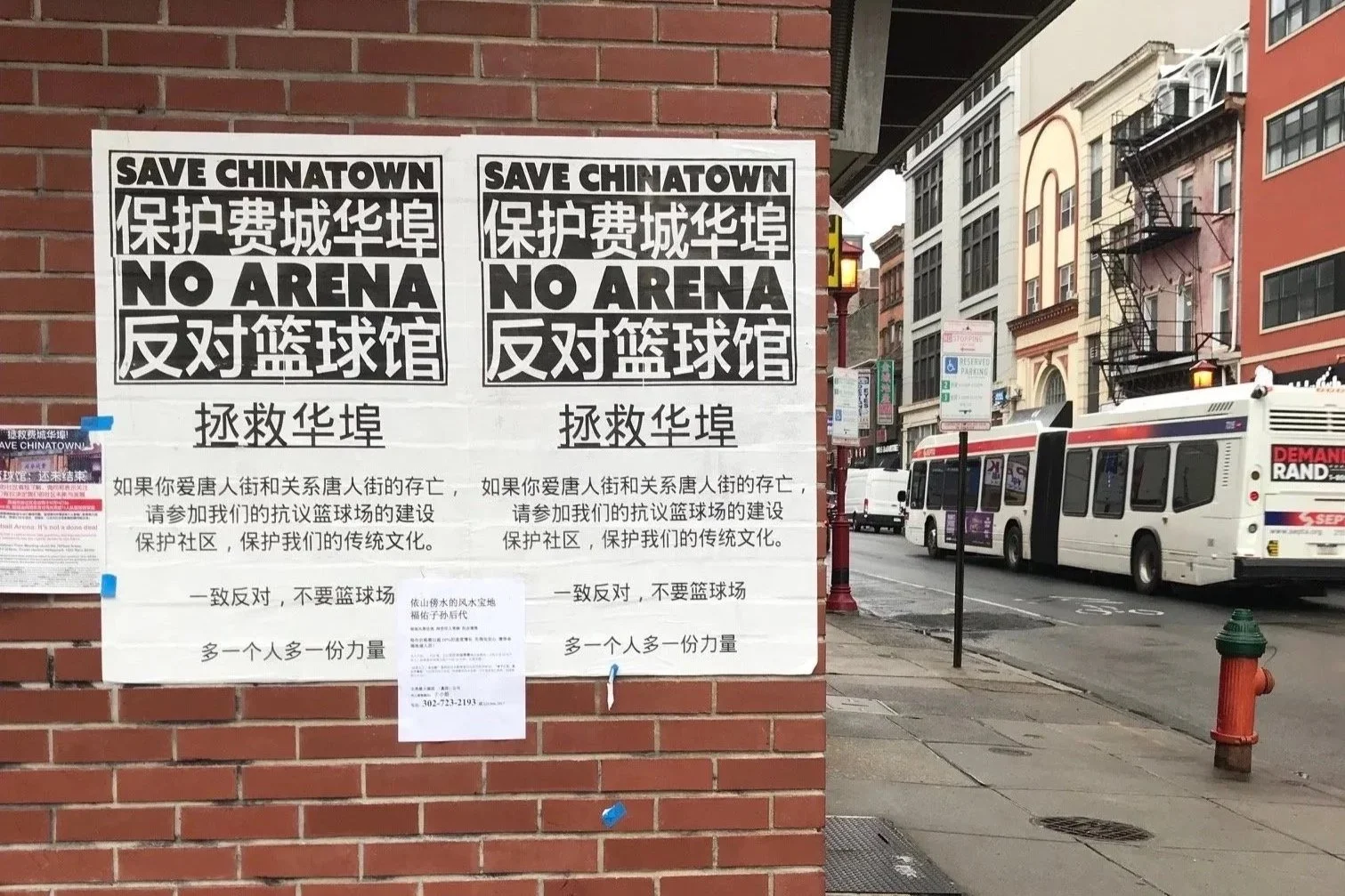

Advocacy can be specific to a historic site or more generally address a broader preservation issue. In Philadelphia’s Chinatown, grassroots community organizations have advocated against potentially devastating development projects for decades, from a baseball stadium in the 1990s to, most recently, a basketball arena in 2024. In Guam and the Commonwealth of the Northern Marian Islands (CNMI), community members are fighting against commercial leasing proposals for offshore deep sea mining by the federal government, which would desecrate culturally significant land and waters that have been core to Indigenous cultural heritage and ecological stewardship in the region.
NEXT STEPS
This first lesson was a quick overview of some of the ways historic preservation has been approached and can be done. The hope is that it provides a few examples of how you and your community can do preservation — and other hand, how existing preservation tools can support your community. If you’d like to learn more about any one of these topics, please look at our other lessons, which will go more in depth on specific preservation topics. In particular, see the following lessons for the topics covered in this lesson:
Lesson 2: Historic Designation
Lesson 3: Physical Preservation
Lesson 4: Advocacy