
Day 91: Yoshiko Yamanouchi House, San Mateo, California
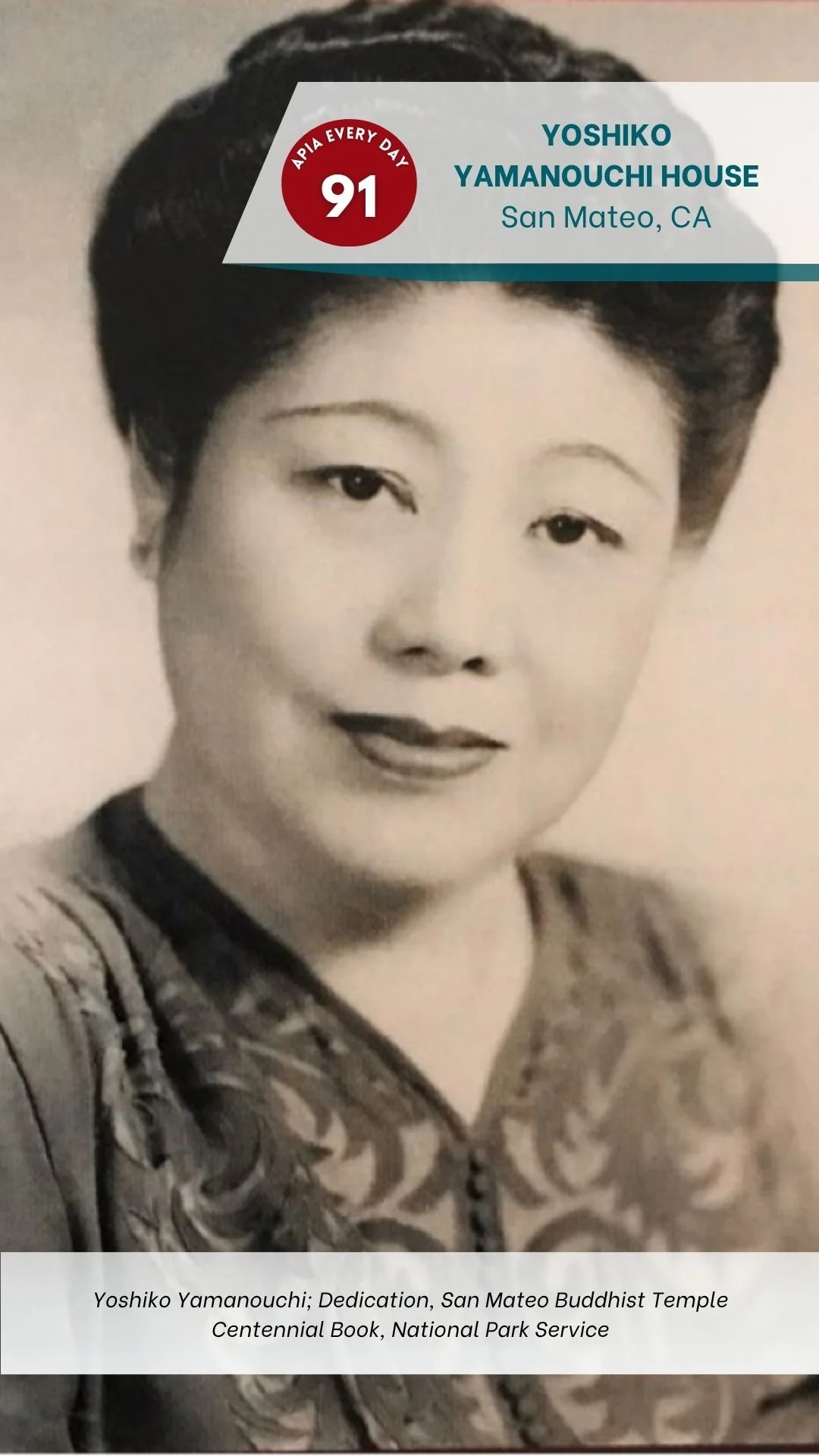
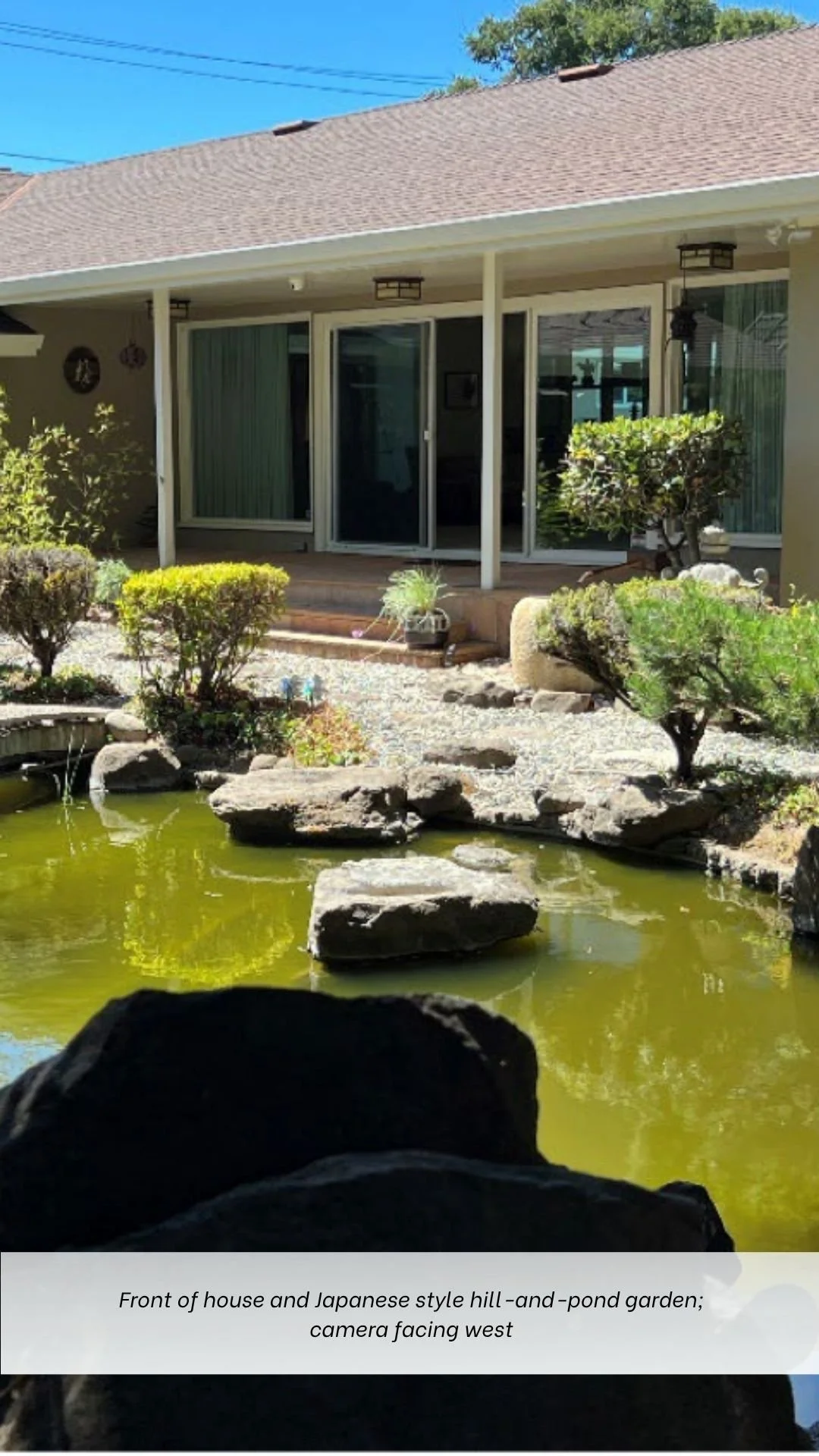
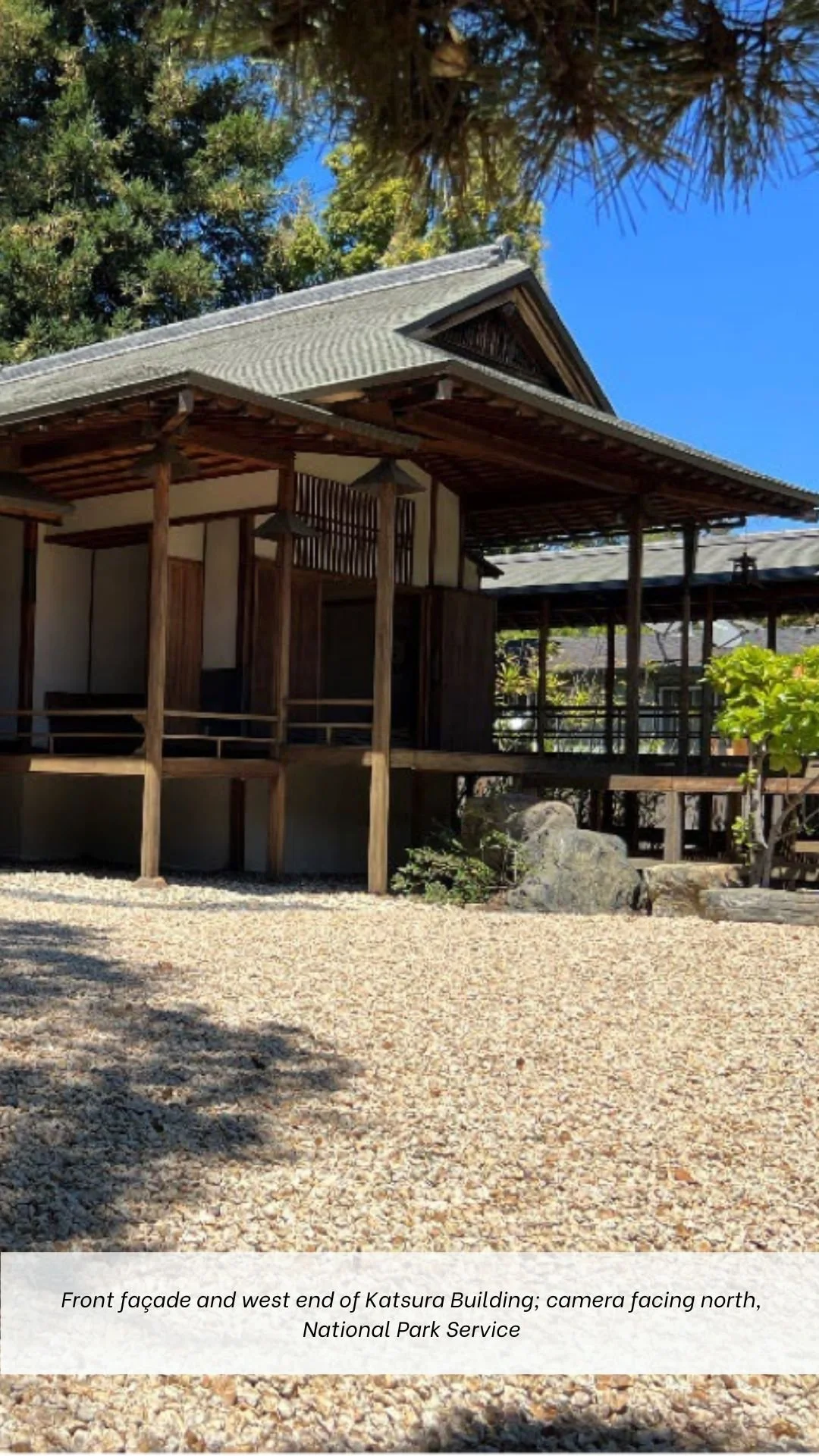
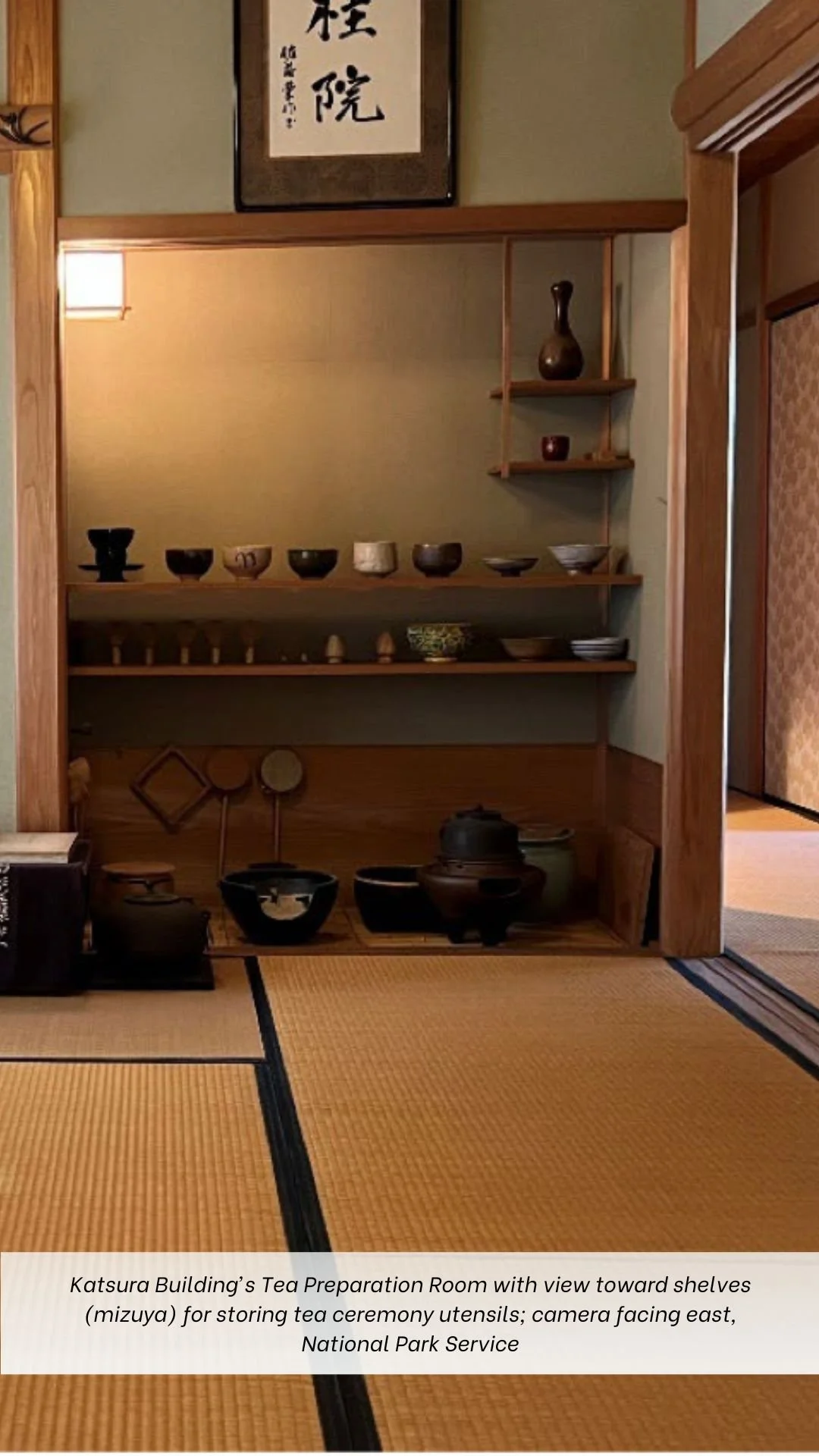
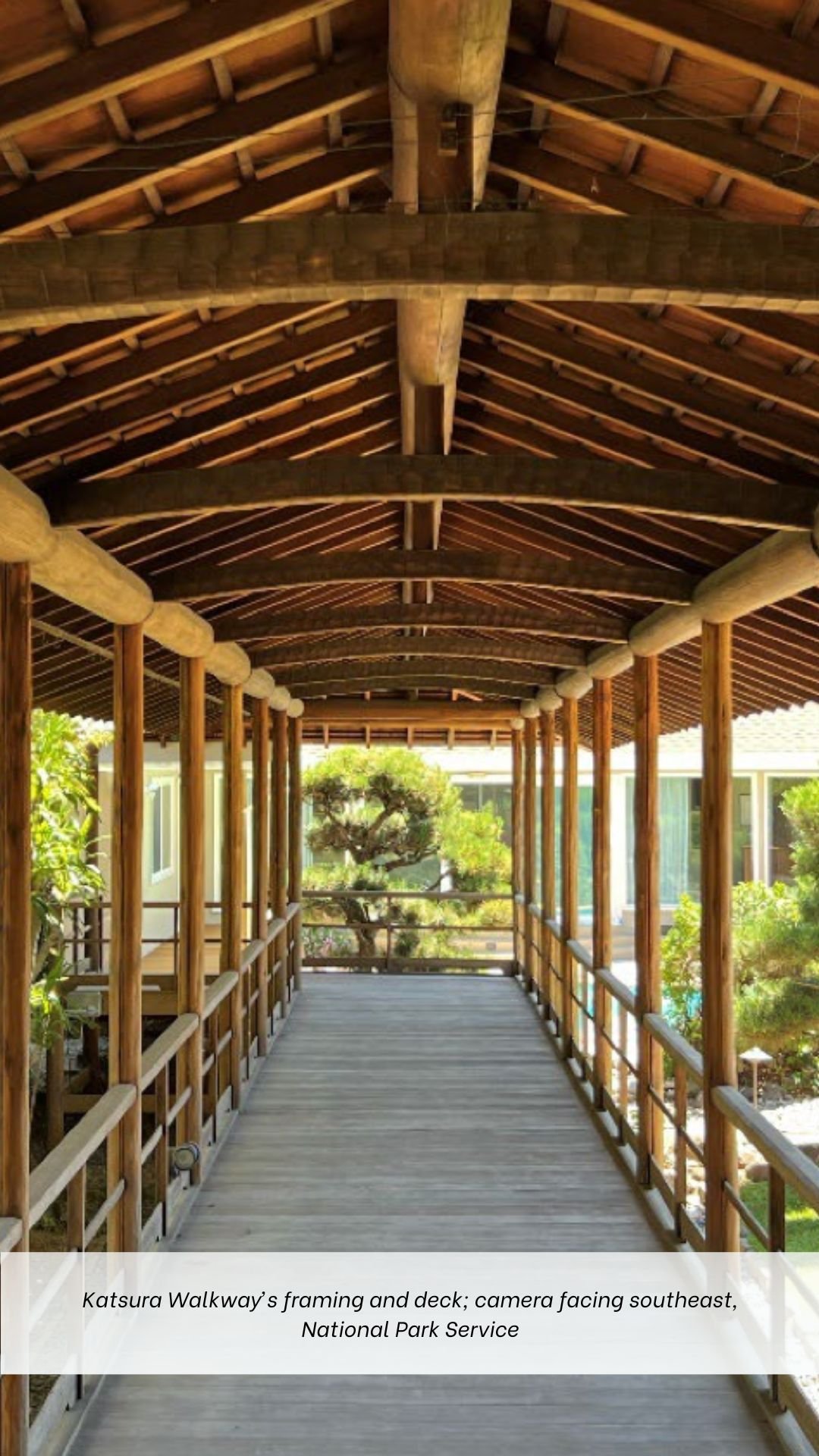
📌APIA Every Day (91) - The Yoshiko Yamanouchi House, located in San Mateo, California, is a mid-century Modernist ranch house designed by architect Donald H. Brandes in 1957. The property also includes an entrance gateway, a Japanese hill-and-pond garden completed in 1958 by landscape designer Nagao Sakurai, and the Katsura Building, Walkway, and Garden completed in 1968 by architect Kodo Matsubara, a scholar of Japanese sukiya-style architecture.
Yoshiko Yamanouchi (1895–1973) was an Issei businesswoman, Buddhist community leader, and amateur painter who immigrated from Osaka, Japan, to San Mateo in 1915. She founded the first Buddhist Sunday School, Young Buddhist Association, and Women's Association for the city's growing Japanese immigrant population, and operated a laundry business. During World War II, she was incarcerated at the War Relocation Authority camp in Topaz, Utah, where she produced watercolor paintings documenting her experiences. Her work was later featured in the 1992 exhibition "The View from Within: Japanese American Art from the Internment Camps, 1942–1945" in Los Angeles. After the war, she returned to San Mateo, resumed her business, and commissioned the construction of her house and gardens as a gathering space for the Japanese American community and a bridge of cultural exchange with the wider Bay Area. She hosted events at the property ranging from ikebana flower shows to a formal dinner for Japanese Prime Minister Eisaku Satō and his wife in 1964. She passed away on August 10, 1973, in San Francisco, California at age 78.
The Yoshiko Yamanouchi House was listed on the National Register of Historic Places at the local level of significance under Criteria A and B in the areas of Ethnic Heritage/Asian/Japanese, Social History, and Women's History, with a period of significance from 1957 to 1973.
LEARN MORE:
Densho Encyclopedia: Yoshiko Yamanouchi
Yoshiko Yamanouchi House National Register of Historic Places Registration Form
#apiaeveryday #japanese #japaneseamerican #sanmatero #california #issei #camptopaz #yoshikoyamanouchi #nationalregisterofhistoricplaces